
Witness Festivals in Isolated Tibetan Villages in Qinghai
- Date:
- Views:249
- Source:The Silk Road Echo
Ever dreamed of stepping into a world where time stands still, prayer flags flutter like whispers from the gods, and ancient rituals unfold under the shadow of snow-capped peaks? Welcome to the remote Tibetan villages of Qinghai Province — one of China’s most spiritually rich yet underrated destinations.
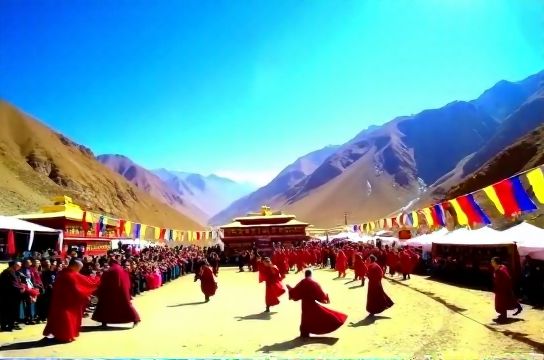
Nestled on the northeastern edge of the Tibetan Plateau, Qinghai is home to tight-knit Tibetan communities that have preserved their culture, language, and Buddhist traditions for centuries. While tourists flock to Lhasa or Shangri-La, few venture deep into Qinghai’s hidden valleys where vibrant festivals burst with color, devotion, and raw authenticity.
Why Qinghai’s Village Festivals Are Unique
Unlike commercialized events elsewhere, festivals in villages like Tongren (Rebgong), Sertar (Seda), and Maduo remain deeply spiritual. Locals don’t perform for tourists — they celebrate faith. The air hums with chanting monks, the smell of yak butter lamps, and the thunderous beat of ceremonial drums.
One standout is the Rebgong Art Festival, held annually in Tongren County. It showcases Thangka painting, a UNESCO-recognized art form passed down through generations. Monks and lay artists spend months creating intricate religious scrolls, some taking over 300 hours to complete.
Festival Highlights & Travel Tips
Here’s a snapshot of key festivals and what to expect:
| Festival | Location | Best Time to Visit | Unique Feature |
|---|---|---|---|
| Rebgong Art Festival | Tongren County | June–July | Live Thangka painting & monk debates |
| Horse Racing Festival | Golog Prefecture | July–August | Traditional equestrian games & folk singing |
| Lantern Festival | Kumbum Monastery (near Xining) | February (Lunar New Year) | Mind-blowing butter sculptures |
Pro tip: Most festivals align with lunar calendars, so dates shift yearly. Plan at least 6 months ahead — permits may be required, especially near Sichuan border zones.
Cultural Etiquette You Must Know
- Never point your feet at altars or people — it’s deeply disrespectful.
- Ask before photographing monks or rituals. Some ceremonies are sacred and off-limits.
- Dress modestly. Even in summer, cover shoulders and knees.
- Carry small bills for temple donations — 5–10 RMB shows respect.
How to Get There & Where to Stay
Xining, Qinghai’s capital, is the gateway. Fly from Beijing (3hr flight) or take an overnight train. From there, hire a local driver — roads to villages can be rough, especially after rain.
Accommodation? Think family-run guesthouses (zhusu dian) with shared bathrooms and heated kang beds. No luxury, but unmatched warmth. A typical night costs 80–150 RMB (~$11–21).
Final Thoughts
Traveling to Qinghai’s isolated Tibetan villages isn’t about comfort — it’s about connection. You’ll witness festivals not as a spectator, but as a humble guest in a living tradition. In a world of filters and fast trends, this is real. This is magic.
If you crave depth over likes, silence over noise, and soul over sightseeing — pack your bag. Qinghai is waiting.