
Discover Ethnic Craftsmanship in Remote Himalayan Outposts
- Date:
- Views:223
- Source:The Silk Road Echo
Ever dreamed of stepping off the beaten path and into a world where time moves slower, colors are bolder, and every handmade textile tells a story? Welcome to the remote Himalayan outposts—hidden villages tucked between snow-capped peaks and prayer-flag-draped ridges, where ethnic craftsmanship isn’t just art—it’s survival, identity, and soul.
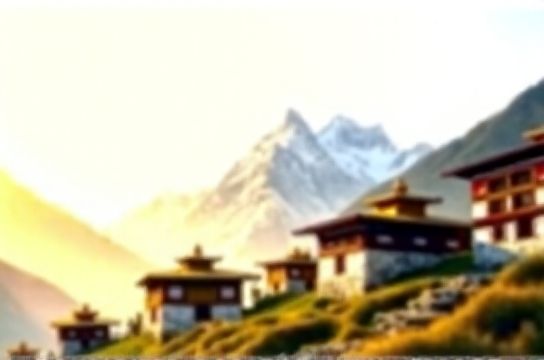
From the high-altitude plateaus of Ladakh to the secluded valleys of Sikkim and Bhutan, indigenous communities have preserved ancient techniques for generations. Weaving, wood carving, thangka painting, and metalwork aren’t tourist gimmicks here—they’re daily rituals passed down like heirlooms.
Why Himalayan Crafts Matter
In an age of mass production, these handcrafted treasures stand as quiet rebels. According to UNESCO, over 60% of traditional Himalayan artisans rely solely on craft income, yet fewer than 30% have consistent market access. That’s where mindful travelers come in—not just as buyers, but as cultural bridges.
Top 3 Regions & Their Signature Crafts
| Region | Craft Type | Material Used | Avg. Price Range (USD) |
|---|---|---|---|
| Ladakh, India | Pashmina Shawls | Goat wool (Changthangi) | $80–$300 |
| Sikkim, India | Bamboo Weaving | Organic bamboo strips | $15–$60 |
| Paro Valley, Bhutan | Thangka Painting | Mineral pigments on cotton | $200–$1,000+ |
Each piece takes days—or months—to complete. A single thangka can involve over 200 hours of meditation-infused brushwork. Pashmina yarn is spun so fine it can pass through a ring—the famed 'ring test.'
How to Experience It Responsibly
- Visit artisan cooperatives: Skip middlemen. In Leh, check out the Women’s Alliance of Ladakh. In Gangtok, look for Sikkim Bamboo & Cane Development Centre.
- Learn before you buy: Book a half-day workshop. Many homestays offer weaving or natural dye sessions ($10–$25).
- Ask about provenance: Authentic crafts carry subtle regional markers—a zigzag pattern might denote a specific clan; red borders often symbolize protection.
The Bigger Picture: Culture vs. Commercialization
Tourism brings income, yes—but it also risks diluting authenticity. Some shops now sell machine-made ‘handicrafts’ imported from cities. Pro tip: real handmade pashmina feels warm, not slippery, and burns (not melts) when briefly held to flame.
Supporting genuine artisans means preserving languages, rituals, and ecological knowledge. For example, natural dyes used in Sikkimese textiles come from rhododendron bark and turmeric—zero waste, zero synthetics.
So next time you scroll past another soulless souvenir, remember: the most powerful souvenirs aren’t things you own, but stories you carry. The Himalayas don’t just gift beauty—they invite belonging.
Wander deep. Buy with heart. Craft a legacy.