
Trekking China’s Forgotten Trails with Breathtaking Vistas
- Date:
- Views:188
- Source:The Silk Road Echo
Think China is all bullet trains and mega-cities? Think again. Beyond the neon glow of Shanghai and the ancient stones of the Great Wall lies a wilder, quieter side — one where mist curls around emerald peaks, Tibetan prayer flags flutter in alpine winds, and footpaths carved by shepherds centuries ago still guide adventurous souls through untouched landscapes.
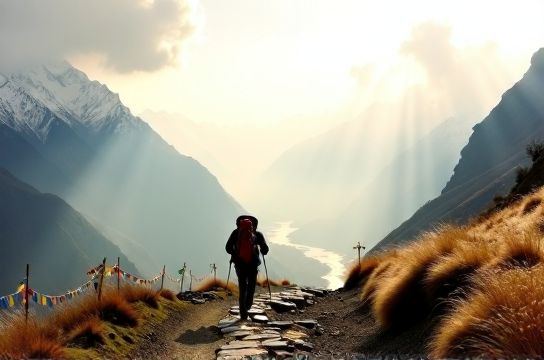
Welcome to China’s forgotten trekking trails — hidden gems that deliver jaw-dropping vistas without the crowds. We’re talking remote valleys in Yunnan, high-altitude passes in Sichuan, and ancient tea-horse routes that once connected empires. These aren’t just hikes; they’re journeys into the soul of rural China.
Why Trek These Hidden Paths?
While Everest Base Camp and Nepal’s Annapurna Circuit grab headlines, China’s backcountry offers equally stunning scenery with a fraction of the foot traffic. With elevations ranging from 2,000 to over 4,500 meters, these treks blend dramatic biodiversity, cultural depth, and physical challenge.
According to the China Outdoor Association, domestic trekking participation rose by 38% between 2020 and 2023, yet most foreign travelers still overlook these routes. That’s your advantage: pristine nature, authentic encounters, and photo-worthy panoramas all to yourself.
Top 3 Underrated Treks You Need to Experience
- Yading Kora (Sichuan) – Often called “China’s Shangri-La,” this 60-km loop circles three sacred snow-capped peaks—Chenrezig, Jampelyang, and Chanadorje—at the heart of Yading Nature Reserve. At 4,600m at its highest pass, it’s tough but transcendent.
- Tiger Leaping Gorge High Trail (Yunnan) – While most tourists stick to the lower path, the high route offers sweeping views of the Yangtze as it squeezes through one of the world’s deepest canyons. Don’t miss the tea houses run by Naxi families along the way.
- The Ancient Tea-Horse Road (Yunnan to Tibet) – This historic trade route spans thousands of kilometers, but a 5-day section from Lijiang to Zhongdian reveals moss-covered stone steps, forested ridges, and old post towns frozen in time.
Quick Trek Comparison (Perfect for Planning!)
| Trek | Duration | Max Elevation (m) | Difficulty | Cultural Highlights |
|---|---|---|---|---|
| Yading Kora | 4–5 days | 4,600 | Hard | Tibetan monasteries, prayer wheels |
| Tiger Leaping Gorge (High Trail) | 2–3 days | 2,700 | Moderate | Naxi villages, cliffside teahouses |
| Tea-Horse Road (Lijiang–Zhongdian) | 5 days | 3,200 | Moderate+ | Ancient trading posts, ethnic markets |
Tips for the Trail
- Best Time to Go: Late spring (May–June) or early autumn (September–October). Avoid July/August rains.
- Permits: Required for Yading and Tibet sections. Apply through local agencies.
- Pack Light, But Smart: Altitude sickness meds, water purifier, and layers — weather shifts fast.
- Respect Local Culture: Ask before photographing monks or homes. A simple "Nǐ hǎo" goes a long way.
These trails aren’t just about conquering distance or elevation. They’re about connection — to land, history, and people living much as they have for generations. So lace up, leave the tourist trail behind, and let China’s wild heart surprise you.