
China Hiking Trails Remote Paths with Stunning Mountain Views
- Date:
- Views:211
- Source:The Silk Road Echo
Think hiking in China is just about the Great Wall? Think again. Beyond the tourist crowds lie hidden trails where mist wraps around jagged peaks, ancient stone paths wind through forgotten villages, and silence feels sacred. If you're craving raw beauty and soul-stirring solitude, China's remote mountain trails are calling.
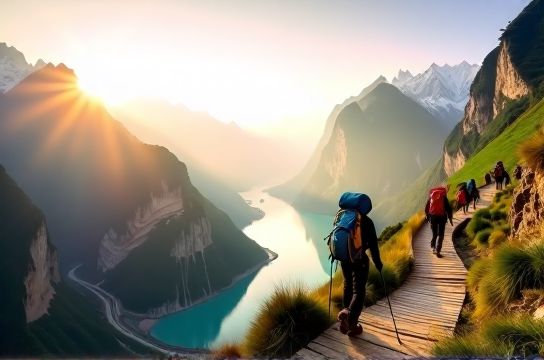
From the snow-capped giants of Sichuan to the ethereal karst towers of Guangxi, these treks blend natural drama with cultural depth. We’ve scouted the best off-grid routes that deliver jaw-dropping views without the Instagram mobs.
Why Hike Off the Beaten Path in China?
Mainstream spots get packed. But venture deeper, and you’ll find something rarer: authenticity. Locals still farm terraced hillsides by hand. Monasteries cling to cliffs, echoing with chants. And the landscapes? They look like they’ve been ripped from a Chinese scroll painting.
Plus, many remote regions benefit from conservation efforts and limited infrastructure, meaning cleaner air, clearer skies, and untouched ecosystems. According to the China Outdoor Association, backcountry trekking has grown 30% annually since 2020—proof that travelers are chasing more meaningful adventures.
Top 3 Remote Hiking Trails with Breathtaking Views
1. Yading Nature Reserve, Sichuan
Nestled in the eastern Himalayas, Yading is a spiritual sanctuary guarded by three sacred peaks—Chenrezig (6,032m), Jambeyang (5,958m), and Chanadorje (5,958m). The Kora Trek, a 50km loop, circles these deities and draws pilgrims and hikers alike.
Elevation ranges from 2,900m to over 4,700m at Milk Lake Pass. Wildflowers bloom June–August, while autumn brings golden larch forests. Altitude sickness is real—acclimatize in Daocheng first.
2. Tiger Leaping Gorge, Yunnan
One of the world’s deepest canyons cuts between Jade Dragon Snow Mountain and Haba Snow Peak. The High Trail (22km, 2-day hike) offers panoramic views of the roaring Jinsha River 3,700m below.
The trail’s highlight? The 28 Switchbacks—a grueling climb with uninterrupted gorge vistas. April–June and September–November are ideal. Monsoon rains make paths slippery July–August.
3. Zuojiang Huashan Rock Art Area, Guangxi
Swap alpine drama for surreal karst scenery. This UNESCO site blends 2,000-year-old cliff paintings with quiet forest trails. Hike from Longzhou to Jiangdi Village for intimate views of limestone spires piercing the clouds.
It’s less about summit highs and more about atmospheric wonder. Bring a wide-angle lens—sunrise here looks like a dream.
Trail Comparison: What to Expect
| Trail | Distance | Duration | Max Elevation | Best Season |
|---|---|---|---|---|
| Yading Kora | 50 km | 4–5 days | 4,700 m | Sept–Oct |
| Tiger Leaping Gorge (High Trail) | 22 km | 2 days | 2,600 m | Apr–Jun, Sep–Nov |
| Zuojiang Huashan Loop | 30 km | 3 days | 800 m | Mar–May, Oct–Nov |
Pro tip: Hire a local guide. Not only does it support rural economies, but they know weather shifts, hidden springs, and which trail snacks actually taste good.
Final Thoughts
China’s most stunning mountain views aren’t on postcards—they’re on footpaths few dare to tread. Whether you’re tracing pilgrimage routes or wandering beneath limestone cathedrals, these hikes offer more than scenery. They offer stillness. Perspective. A reminder that adventure isn’t always loud—it’s often whispered by the wind through a high mountain pass.
Lace up. The real China awaits.