
Authentic Travel China Find Serenity in Remote Countryside
- Date:
- Views:187
- Source:The Silk Road Echo
Forget the neon-lit streets of Shanghai and the tourist-packed alleys of Beijing. If you're craving a deeper, more soulful experience in China, it's time to go off-grid—way off. Hidden among misty mountains, terraced rice fields, and centuries-old villages lies a quieter, more authentic China. This is where tradition breathes, locals smile with genuine warmth, and time slows down just enough for you to remember what travel is really about.
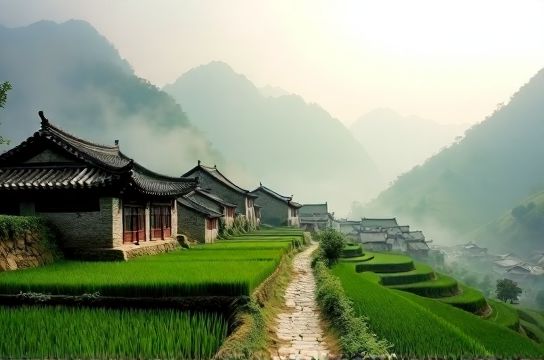
Why Rural China?
China’s urban centers are dazzling, no doubt. But beyond the skyscrapers and bullet trains, rural regions offer something far more precious: authenticity. According to the China National Tourism Administration, domestic eco-tourism grew by 18% in 2023, with over 65 million travelers seeking out rural homestays and cultural immersion experiences.
Places like Guizhou, Yunnan, and Guangxi aren’t just scenic—they’re spiritual. These provinces are home to over 40 ethnic minority groups, each with its own language, dress, festivals, and way of life. Think handwoven indigo fabrics, open-fire cooking, and drum towers that have stood for generations.
Top 3 Hidden Gems for Authentic Travel
- Xijiang Qianhu Miao Village (Guizhou): The largest Miao village in China, with over 1,000 wooden stilt houses clinging to hillsides. Don’t miss the Silver Festival in November, when locals wear pounds of handmade silver jewelry.
- Yuanyang Rice Terraces (Yunnan): Carved into mountains over 1,300 years ago by the Hani people. At sunrise, the flooded fields reflect the sky like liquid mirrors—a photographer’s dream.
- Longji Rice Terraces (Guangxi): Also known as the 'Dragon’s Backbone,' these UNESCO-recognized terraces stretch over 2,300 feet high. Stay in a Zhuang or Yao village for tea ceremonies and folk songs under the stars.
Travel Tips for a Meaningful Journey
Going rural doesn’t mean roughing it completely. Many villages now offer clean homestays with private bathrooms and even Wi-Fi (though spotty). But respect goes a long way. Learn a few phrases in the local dialect, ask before taking photos, and always remove your shoes when entering someone’s home.
Best Time to Visit
The sweet spot? March to May and September to November. You’ll avoid summer crowds and winter chills while catching rice planting or harvest seasons—prime time for vibrant culture and golden landscapes.
Quick Stats: Rural vs. Urban Travel Experience
| Metric | Rural China | Urban China |
|---|---|---|
| Avg. Daily Cost (USD) | $35–$50 | $80–$150 |
| Crowd Level | Low | High |
| Cultural Interaction | High (daily) | Occasional |
| Nature Access | Immediate | Limited |
As one traveler put it: “In Chengdu, I saw pandas. In a tiny village in Guizhou, I found peace.”
So pack light, leave expectations behind, and let the rhythm of rural China guide you. It’s not just a trip—it’s a reset.