
China's Secret Hiking Trails for True Adventure Seekers
- Date:
- Views:250
- Source:The Silk Road Echo
Think you've seen China? Think again. Beyond the Great Wall and bustling streets of Beijing lie hidden trails that whisper ancient secrets through misty mountains and forgotten stone paths. If you're craving raw nature, cultural depth, and a serious adrenaline kick — without the Instagram crowds — these off-the-radar hikes are your golden ticket.
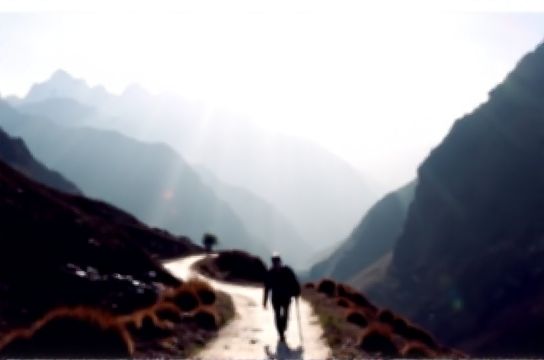
The Lost Silk Road Path:穿越Xinjiang’s Forgotten Gorges
Nestled in Xinjiang, this 3-day trek follows a nearly vanished branch of the Silk Road. Wind-carved canyons tower above, and Uyghur shepherds still guide flocks along routes unchanged for centuries. The trail stretches roughly 45 km from Kizilgaha to Tomzigul, with altitudes peaking at 2,800 meters. It’s not for beginners — but the silence? Priceless.
| Trek | Duration | Difficulty | Best Season | Altitude Range |
|---|---|---|---|---|
| Lost Silk Road Path | 3 days | Hard | May–September | 1,900–2,800m |
| Erhai Lake Loop | 2 days | Medium | March–November | 1,900–2,100m |
| Yading Nature Reserve | 4–5 days | Very Hard | April–October | 2,900–4,700m |
Erhai Lake Loop, Yunnan: Where Culture Meets Calm Waters
Swap crowded Lijiang for Erhai Lake’s serene rim. This lesser-known loop circles one of Yunnan’s most sacred lakes, passing Bai villages where locals still craft tie-dye by hand. You’ll bike partway, hike forested ridges, and sleep in family-run guesthouses. At just over 60 km total, it’s manageable yet deeply immersive.
Pro tip: Start in Xizhou and finish in Shuanglang. The morning mist rising off the water? Pure magic.
Yading Nature Reserve: Tibet’s Hidden Backyard
Often called 'China’s last pure land,' Yading in Sichuan is a pilgrimage route turned adventurer’s dream. Three sacred snow-capped peaks — Chenrezig, Jampayang, and Chana Dorje — guard this remote valley. The full kora (pilgrimage circuit) spans five grueling days, gaining over 1,500 vertical meters. But reach the top of Luorong Buffalo Grassland, and you’ll feel like you’re walking among gods.
According to local monks, completing the circuit brings spiritual cleansing. For hikers? It’s a physical and mental reset unlike any other.
Why These Trails Matter
In an age of overtourism, these paths offer something rare: authenticity. Fewer than 5% of foreign tourists venture beyond China’s headline attractions. That means cleaner air, real human connections, and landscapes untouched by souvenir shops.
But tread lightly. These ecosystems are fragile. Stick to marked paths, pack out all waste, and respect local customs — especially in Tibetan and Uyghur regions.
So lace up those boots, leave the guidebook clichés behind, and let China’s wild heart surprise you. Adventure isn’t found — it’s earned.