
China Hiking Trails in Remote Untouched Mountain Regions
- Date:
- Views:251
- Source:The Silk Road Echo
Think China is all about bustling cities and ancient temples? Think again. Beyond the Great Wall and panda sanctuaries lie some of the most breathtaking, untouched mountain trails on Earth. If you're craving raw nature, jaw-dropping vistas, and a true off-the-beaten-path adventure, China's remote hiking trails should be at the top of your bucket list.
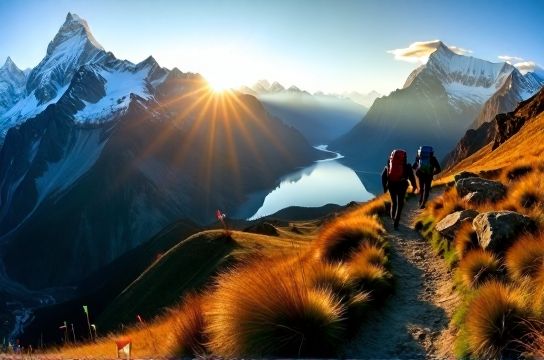
From the snow-capped peaks of Sichuan to the mystical valleys of Yunnan, these hidden routes offer more than just views—they deliver soul-stirring experiences. Let’s dive into the best-kept secrets of Chinese trekking, complete with trail stats and insider tips.
Why Hike in China’s Remote Mountains?
Unlike crowded European alpine trails or over-commercialized Himalayan routes, China’s backcountry remains refreshingly wild. With vast stretches of protected land and minimal tourism infrastructure, hikers get solitude, biodiversity, and cultural authenticity—all in one epic journey.
And let’s talk numbers: Over 60% of China’s terrain is mountainous, yet less than 5% of international trekkers explore beyond Lijiang or Zhangjiajie. That means pristine forests, glacial rivers, and Tibetan prayer flags fluttering where few have tread.
Top 3 Hidden Hiking Gems
1. Yading Nature Reserve, Sichuan
Nestled in the eastern Himalayas, Yading is sacred ground for Tibetan Buddhists. The Kangrinboqe Trek circles three holy peaks—Chenrezig, Jampelyang, and Chanadorje—with altitudes hitting 5,000 meters. Don’t expect handrails or cafes; this is rugged, spiritual hiking at its finest.
2. Meili Snow Mountain Circuit, Yunnan
This 8-day loop around Kawagebo Peak (6,740m) is not for the faint-hearted. Locals believe the mountain is divine—and unpolluted by summits (no one has ever officially summited!). The trail winds through rhododendron forests, high pastures, and remote Naxi villages.
3. Tömür Peak Base Camp, Xinjiang
On the Kyrgyz border, this under-the-radar trek offers Central Asian vibes with towering glaciers and nomadic herders. At over 4,000m, it’s challenging—but the silence? Priceless.
Trek Comparison Table
| Trail | Duration | Max Altitude (m) | Difficulty | Best Season |
|---|---|---|---|---|
| Yading Kangrinboqe | 5–7 days | 5,000 | Hard | May–June, Sept–Oct |
| Meili Snow Mountain | 7–9 days | 4,600 | Very Hard | April–May, Sept–Oct |
| Tömür Base Camp | 6–8 days | 4,200 | Hard | July–August |
Pro Tip: Acclimatize properly! Altitude sickness is real, especially above 3,500m. Spend 2–3 days at base camps before pushing higher.
What Makes These Trails Special?
It’s not just the scenery—it’s the silence. In Meili, you might hear only wind and distant bells from yak caravans. In Yading, Buddhist mantras echo across valleys. And in Xinjiang, the stars? So bright, you’ll forget light pollution exists.
Plus, eco-tourism efforts are growing. Local homestays support communities, and many trails now follow “Leave No Trace” principles. Respect local customs—ask before photographing people or monasteries.
Final Thoughts
China’s remote mountain trails aren’t just hikes—they’re pilgrimages for the wild at heart. Whether you’re chasing vertigo-inducing ridges or peaceful forest paths, these regions promise adventure without the crowds. Pack light, go slow, and let the mountains speak.
Ready to step off the map? Your next great trek is waiting—in the quiet corners of China.