
Ethnic Minority Villages in China You Must Visit Now
- Date:
- Views:269
- Source:The Silk Road Echo
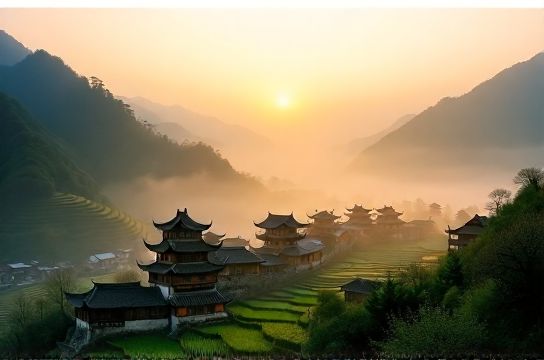
Think China is just about skyscrapers, bustling cities, and the Great Wall? Think again. Beyond the urban jungle lie hidden gems—vibrant ethnic minority villages where ancient traditions thrive, colorful costumes dazzle, and mountain views steal your breath. These culturally rich communities offer travelers a rare chance to step into another world—one that’s authentic, untouched, and deeply moving.
China officially recognizes 56 ethnic groups, with Han Chinese making up over 90% of the population. The remaining 55 are classified as ethnic minorities, each with its own language, customs, clothing, and festivals. While some live in remote highlands, others welcome curious travelers with open arms—and open homes.
If you're craving real cultural immersion, here are four must-visit ethnic minority villages that will leave you inspired.
1. Zhaoxing Dong Village, Guizhou
Nestled in lush green hills, Zhaoxing is home to the Dong people, famous for their wooden drum towers and wind-and-rain bridges. No nails? No problem. Their architecture relies entirely on interlocking wood joints—a craft passed down for centuries.
At night, the village glows under soft lanterns while locals sing hauntingly beautiful polyphonic choral songs—a UNESCO Intangible Cultural Heritage.
2. Xijiang Miao Village, Guizhou
As the largest Miao (Hmong) settlement in China, Xijiang boasts over 1,400 stilted wooden homes cascading down misty mountains. It's like stepping into a fantasy novel.
Don’t miss the Silver Festival, where women wear elaborate silver headdresses weighing up to 8 pounds! Fun fact: The Miao have no written language—their history lives in songs, embroidery, and oral tales.
3. Shangri-La & Naxi Culture, Yunnan
In the shadow of snow-capped Jade Dragon Mountain lies Baisha Village, heartland of the Naxi people. Known for their Dongba script—the last living pictographic writing system—you’ll see sacred symbols carved into wooden doors and painted on walls.
The Naxi also play a haunting flute-like instrument called the *bawu*. Catch a traditional performance at dusk—it’s pure magic.
4. Huashan Yi Village, Sichuan
High in the Liangshan Mountains, the Yi people celebrate the Torch Festival every June with fire dances, bullfights, and horse races. Their bold black, red, and yellow patterns symbolize earth, blood, and sunlight.
Stay in a local homestay, try buckwheat noodles, and listen to elders recite epic poems older than Shakespeare.
Quick Travel Guide: Ethnic Villages at a Glance
| Village | Ethnic Group | Province | Best Time to Visit | Key Highlight |
|---|---|---|---|---|
| Zhaoxing | Dong | Guizhou | April–October | Drum Towers & Choral Singing |
| Xijiang | Miao | Guizhou | May & October (Festivals) | Silver Ornaments & Stilt Houses |
| Baisha | Naxi | Yunnan | March–May, Sept–Nov | Dongba Script & Music |
| Huashan | Yi | Sichuan | June (Torch Festival) | Fire Rituals & Horse Races |
These villages aren’t just tourist spots—they’re living cultures fighting to preserve identity in a fast-changing world. So when you visit, go slow, show respect, and maybe learn a few local phrases. Your reward? A deeper connection to China’s soul.