
Find China Coldmen Mudi Among Mountains and Streams
- Date:
- Views:207
- Source:The Silk Road Echo
If you've ever dreamed of stepping into a real-life Chinese ink painting, then the remote highlands of Mudi Village in Yunnan Province are calling your name. Nestled deep in the Hengduan Mountains where mist dances over emerald valleys, Mudi is more than just a scenic spot—it’s a spiritual retreat for those seeking authenticity, silence, and a rare glimpse into the life of China's so-called 'Coldmen.'
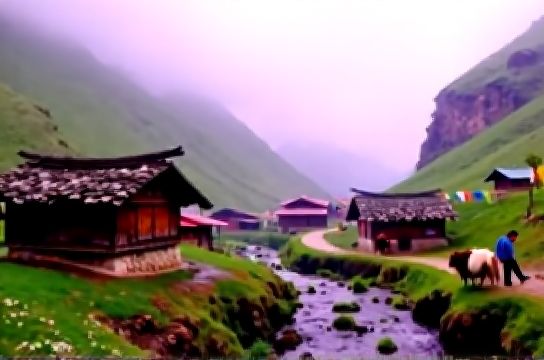
Who are these 'Coldmen'? Not a secret martial arts sect (though it sounds like one), but rather resilient highland herders who’ve lived off the land for generations. With temperatures often dipping below freezing and roads that vanish in winter snow, their lifestyle is as raw as the terrain. But here’s the twist: this isolation has preserved traditions, architecture, and a connection to nature most of the world has lost.
Why Mudi? The Numbers Speak
Situated at over 3,000 meters above sea level, Mudi remains off-grid for much of the year. Yet its cultural richness draws intrepid travelers from around the globe. Check out what makes it unique:
| Feature | Data |
|---|---|
| Elevation | 3,200 m (10,500 ft) |
| Average Winter Temp | -8°C (17.6°F) |
| Population | ~300 residents |
| Annual Visitors | < 5,000 (mostly eco-tourists) |
| UNESCO Status | Tentative List (since 2018) |
Yes, you read that right—fewer than 5,000 visitors a year. Compare that to Zhangjiajie’s 8 million, and you’ve got purity, not pandemonium.
The Journey: How to Reach This Hidden Gem
Getting to Mudi isn’t about convenience—it’s part of the adventure. Start in Lijiang, rent a 4x4 (or join a guided eco-trek), and brace yourself for 6 bone-rattling hours on unpaved mountain trails. Pro tip: go between May and October. November through April? Roads freeze, and even locals hesitate.
Once you arrive, expect no hotels—just family-run guesthouses with yak-dung heated rooms and zero Wi-Fi. And honestly? That’s the magic. You’ll eat wild mushrooms foraged that morning, sip butter tea with elders, and wake up to the sound of prayer flags flapping in the wind.
Culture Meets Climate: Life as a 'Coldman'
The term 'Coldmen' isn’t official—it was coined by backpackers—but locals wear it with pride. These aren’t just herders; they’re custodians of an ancient Tibetan-influenced culture. Their stone-and-wood homes blend into the hills, and their daily rituals—from morning chants to seasonal yak migrations—are synchronized with nature’s rhythm.
Want deeper insight? Join a homestay. For about $25 USD per night, you get food, shelter, and a front-row seat to a way of life vanishing elsewhere.
Responsible Travel Tips
- Leave No Trace: Pack out everything you bring in.
- Ask Before Photographing: These aren’t zoo exhibits.
- Support Local: Buy handwoven wool scarves or organic honey directly from families.
Mudi isn’t just a destination. It’s a reminder that beauty doesn’t need crowds to be profound. So swap the selfie stick for a journal, and let the mountains speak. After all, some places aren’t meant to go viral—they’re meant to change you.