
Rural China Travel Secrets of Traditional Farming Villages
- Date:
- Views:276
- Source:The Silk Road Echo
Think China is all about skyscrapers and bullet trains? Think again. Beyond the neon glow of Shanghai and the hustle of Beijing lies a quieter, more soulful side — traditional farming villages where time moves at the pace of rice paddies swaying in the breeze.
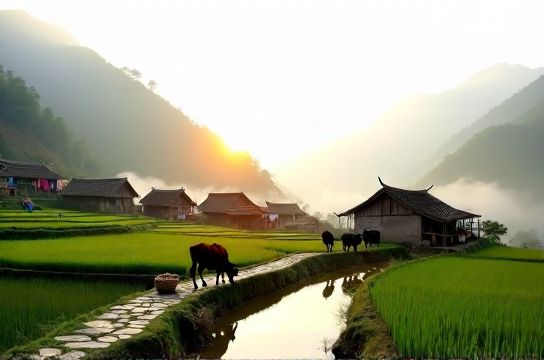
If you're craving authenticity, rural China offers a rare glimpse into centuries-old agrarian life. We’re talking mud-brick homes, terraced hillsides, morning roosters, and grandmas hand-pulling noodles over wood stoves. This isn’t just travel — it’s cultural immersion with a side of fresh bamboo shoots.
Why Go Off the Beaten Path?
Tourism in rural China is still in its sweet spot: accessible enough for intrepid travelers, but untouched by mass tourism. According to China’s Ministry of Culture and Tourism, domestic 'agri-tourism' grew by 18% in 2023, yet international visitors to remote villages remain under 5% of total arrivals.
These communities rely on sustainable farming methods passed down through generations. And guess what? Many are now welcoming guests with homestays, farm-to-table meals, and hands-on experiences like planting rice or making tofu from scratch.
Top 4 Hidden Gems
- Shanglaozhuang (Yunnan): Nestled in the Honghe Valley, this Hani village clings to mountainsides with jaw-dropping rice terraces — a UNESCO World Heritage site.
- Xidi & Hongcun (Anhui): Ming- and Qing-era architecture meets misty mornings. Often called 'the Chinese Shangri-La.'
- Zhangjiajie's Minor Ethnic Villages (Hunan): Home to Tujia and Miao cultures, complete with drum towers and vibrant embroidery.
- Chengkan (Huizhou)
What to Expect: Rural Life Up Close
No room service. No elevators. But plenty of charm. Daily life revolves around seasonal rhythms. In spring, you might help transplant rice seedlings; in autumn, join tea harvests or chili drying festivals.
Locals speak dialects or minority languages, so bring a translation app — or learn a few phrases in Mandarin or Dong. Don’t be surprised if your host family insists you eat three bowls of sticky rice — hospitality here is no joke.
Quick Stats: Rural vs. Urban Travel
Metric Rural Village Major City (e.g., Beijing) Avg. Daily Cost (USD) $25–$40 $80–$150 Internet Reliability Spotty (3G/limited Wi-Fi) 5G/Wi-Fi everywhere Accommodation Type Family Homestays, Eco-Lodges Hotels, Hostels Cultural Interaction High (daily shared meals) Moderate (tour-based) Tips for Respectful Travel
This isn’t Instagram tourism — it’s real life. Follow local etiquette: remove shoes indoors, ask before photographing people, and always accept food offered. A small gift (like tea or school supplies) for your host family goes a long way.
And remember: these villages aren’t museums. Your visit should support, not disrupt. Choose eco-conscious operators and avoid littering — many areas lack waste infrastructure.
Rural China isn’t for everyone. But if you’re tired of queues and concrete, pack your backpack and follow the cow paths. The real China is waiting — quiet, green, and full of stories.