
Rural China Travel Find Serenity in Ancient Farming Communities
- Date:
- Views:286
- Source:The Silk Road Echo
Looking to escape the noise of city life? Swap skyscrapers for rice paddies and neon lights for fireflies—rural China is where slow living meets ancient charm. Forget crowded tourist traps; we’re diving into quiet farming villages where time moves with the seasons, not the clock.
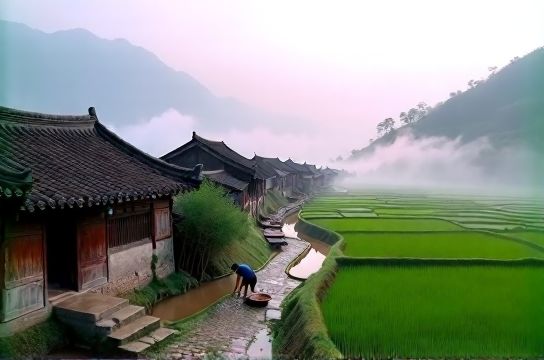
From misty terraced fields in Yunnan to centuries-old courtyard homes in Shanxi, rural China offers a rare glimpse into traditional agrarian life that’s still very much alive. These aren’t museum pieces—they’re vibrant communities preserving heritage through daily rituals, handmade crafts, and organic farming.
Why Go Rural?
While Beijing and Shanghai dazzle with modernity, rural regions reveal China’s soul. Over 40% of China’s population still lives in the countryside, and many villages have existed for over 500 years. Imagine waking up to rooster calls, helping farmers plant seedlings, or sipping tea grown on the same plot for generations.
Travelers seeking authenticity will love the deep cultural immersion. No scripted performances—just real people, real traditions.
Top 3 Rural Destinations
- Yuanyang, Yunnan – Famous for its UNESCO-listed rice terraces carved into mountains over 1,300 years ago. The Hani people still use ancient irrigation systems.
- Wangshu Village, Anhui – A Ming Dynasty gem with white-walled, black-tiled houses reflected in lotus ponds. Perfect for photography and ink-painting workshops.
- Xidi & Hongcun, Anhui – Often called 'China’s most beautiful villages,' these are well-preserved Huizhou-style settlements with intricate wood carvings and ancestral halls.
What to Expect: Culture, Food & Stay
Most visitors opt for minsu (homestays), family-run guesthouses offering home-cooked meals and warm hospitality. Think steamed buns made at dawn, wild greens picked from the hills, and fermented tofu aged in clay jars.
Cultural highlights include seasonal festivals like the Blood-Splashing Festival in Yuanyang or lantern-lit ancestor worship ceremonies in winter.
| Destination | Best Time to Visit | Average Nightly Stay (USD) | Unique Feature |
|---|---|---|---|
| Yuanyang, Yunnan | March–April (planting), Sept–Oct (harvest) | $25–$40 | Majestic rice terraces, ethnic Hani culture |
| Xidi, Anhui | Spring & Autumn | $30–$50 | UNESCO site, classical Chinese architecture |
| Zhangjiajie Countryside, Hunan | May–September | $20–$35 | Nearby national park, Tujia minority culture |
Tips for Responsible Travel
Rural tourism is growing fast, but sustainability matters. Stick to eco-friendly homestays, ask before photographing locals, and support village cooperatives. Even better—join a farm workday! Many families welcome travelers to help with planting or harvesting, offering deeper connection and unforgettable stories.
And yes, Wi-Fi might be spotty—but isn’t that the point?
Rural China isn’t just a trip. It’s a reset. A chance to breathe, reflect, and remember what travel used to feel like: personal, profound, and powerfully human.