
Rural China Travel Ethnic Minority Culture Exploration
- Date:
- Views:197
- Source:The Silk Road Echo
Thinking about escaping the city chaos and diving into something real? Welcome to rural China — where misty mountains meet centuries-old traditions, and every village tells a story. If you’re craving authentic cultural experiences beyond the Great Wall and pandas, it’s time to explore the vibrant world of China’s ethnic minority communities.
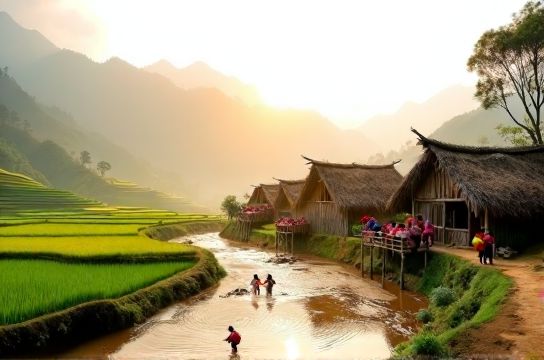
China officially recognizes 56 ethnic groups, with the Han Chinese making up over 91%. That leaves 55 distinct minority cultures — many nestled in remote corners of Yunnan, Guizhou, Sichuan, and Guangxi. These regions aren’t just scenic; they’re living museums of language, dress, music, and rituals passed down for generations.
Why Go Off the Beaten Path?
Tourist hotspots are great, but real magic happens when you step off the grid. In villages like Xijiang (China’s largest Miao settlement) or Yuanyang (home to the Hani rice terraces), life moves at nature’s pace. No Wi-Fi? No problem. Locals greet you with hand-embroidered smiles and steaming bowls of sour fish soup.
According to China National Tourism Administration, ethnic minority regions saw a 23% increase in sustainable tourism from 2022 to 2023. Travelers are shifting toward meaningful engagement — think homestays, craft workshops, and festival participation.
Top 3 Ethnic Experiences You Can’t Miss
- Miao New Year Festival – A dazzling explosion of silver headdresses, drum dances, and bullfights in Guizhou.
- Dai Water Splashing Festival – Held in Xishuangbanna, this April event is like Songkran on steroids — joyful, wet, and utterly unforgettable.
- Tibetan Horse Racing Festival – In Qinghai and Tibet, riders in colorful silks race across high meadows, honoring nomadic heritage.
Cultural Hotspots & Travel Stats
Here’s a quick snapshot of must-visit destinations and what makes them special:
| Region | Ethnic Group | Unique Feature | Best Time to Visit |
|---|---|---|---|
| Yunnan Province | Dai, Yi, Bai | Lunar New Year water festivals, bamboo houses | March–April |
| Guizhou Province | Miao, Dong | Stilted wooden villages, polyphonic singing | October–November |
| Sichuan Province | Tibetan, Qiang | Buddhist monasteries, mountain trekking | May–September |
| Guangxi Zhuang | Zhuang, Yao | Dragon Dance, terraced farming | August–October |
Pro tip: Try a homestay through platforms like Koopatravel or local cooperatives. Rates average ¥80–150/night and often include home-cooked meals and cultural demonstrations.
Responsible Travel Matters
With great beauty comes great responsibility. Avoid treating people like photo props. Always ask before snapping pictures, respect sacred spaces, and support local artisans directly. A simple ‘Ni hao’ in their dialect? Instant connection.
As UNESCO highlights, preserving intangible cultural heritage relies heavily on respectful tourism. When you buy a handwoven Miao batik or join a Dong choir session, you’re not just collecting souvenirs — you’re helping keep traditions alive.
So pack light, stay curious, and let rural China surprise you. This isn’t just travel — it’s transformation.