
Experience True Chinese Countryside and Local Culture
- Date:
- Views:265
- Source:The Silk Road Echo
Want to escape the neon lights of Beijing or the skyscrapers of Shanghai? Then it’s time to swap city chaos for rice paddies, village feasts, and real human connection. Welcome to rural China — where tradition breathes, culture thrives, and every mountain path leads to a story.
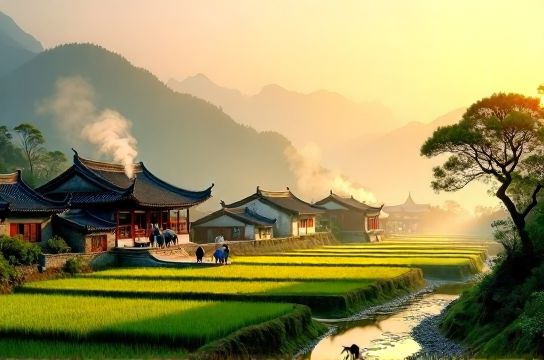
Forget what you’ve seen in glossy travel magazines. The authentic soul of China isn’t in tourist traps — it’s in the misty hills of Yunnan, the earthen courtyards of Shaanxi, and the stilted wooden homes of Guizhou. This is where locals still rise with the sun, farm by hand, and welcome strangers like long-lost relatives.
Why Go Rural?
Sure, cities dazzle. But if you want to feel China — not just see it — the countryside delivers. Over 40% of China’s population still lives in rural areas (World Bank, 2023), and that means thousands of villages rich with dialects, festivals, and foodways passed down for generations.
And thanks to China’s booming rural tourism initiative, access has never been easier. In 2023 alone, over 700 million domestic tourists visited countryside destinations, fueling eco-lodges, homestays, and cultural workshops.
Top 3 Villages You Can’t Miss
| Village | Province | Cultural Highlight | Best Time to Visit |
|---|---|---|---|
| Yuanyang Rice Terraces | Yunnan | Hani ethnic farming traditions | Dec–Mar (water-filling season) |
| Zhangjiajie Tujia Village | Hunan | Traditional drum dancing & cave homes | Apr–Jun (mild weather) |
| Chidi Miao Village | Guizhou | Silver jewelry & New Year bullfights | Jan (Lunar New Year) |
These aren’t just scenic spots — they’re living cultures. In Yuanyang, farmers still use ancient irrigation systems carved into mountains centuries ago. In Chidi, Miao grandmothers handcraft silver headdresses weighing up to 1.5 kg — each symbolizing family history and spiritual beliefs.
How to Connect Like a Local
- Stay in a homestay: Platforms like Xiaozhu and Airbnb list authentic farmhouses. Expect shared meals, help feeding pigs, and bedtime stories in broken Mandarin (and lots of laughter).
- Join a harvest: In autumn, many villages invite travelers to help pick tea, rice, or pomelos. It’s exhausting, rewarding, and a fast track to local trust.
- Eat what they eat: Think fermented fish, sticky rice cakes, and — yes — the occasional chicken foot. Pro tip: say “hěn hǎo chī” (very delicious) even if you’re faking it. Locals appreciate the effort.
The Real Deal: Traveler Insights
Emily, a traveler from Canada, spent two weeks in a Hakka village in Fujian: “I came for the tulou (earth buildings), but stayed for the people. We made mooncakes together during Mid-Autumn Festival. No translators, just smiles and flour everywhere.”
That’s the magic. It’s not about luxury. It’s about moments — sharing baijiu under a starry sky, learning folk songs on a bamboo flute, or watching kids race water buffalo bareback through flooded fields.
Plan Smart, Travel Deeper
While rural China is safer than ever, planning matters. English signage is rare. Download translation apps like Pleco. Pack cash — mobile pay doesn’t always work offline. And respect local customs: ask before photographing elders, remove shoes indoors, and never refuse tea.
In short, going rural isn’t just a trip — it’s a reset. You’ll leave with muddy shoes, full memories, and a deeper understanding of what makes China truly tick.