
Rural China Travel Secrets of Authentic Mountain Towns
- Date:
- Views:267
- Source:The Silk Road Echo
Think China’s countryside is all rice paddies and sleepy villages? Think again. Tucked into misty highlands and cradled by emerald peaks are mountain towns so untouched, they feel like scenes from a Tang dynasty poem. Welcome to rural China’s best-kept secrets—where stone paths whisper history, locals still wear handmade qipaos, and the air smells like pine and woodsmoke.
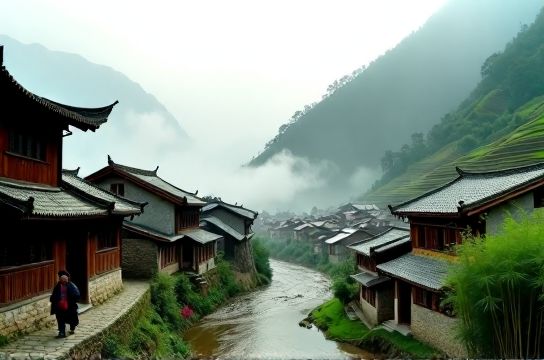
If you're chasing authenticity over Instagram fame, these hidden gems deliver. Forget the crowds at Huanglong or Zhangjiajie. We’re diving deep into lesser-known havens where tradition thrives and tourism hasn’t spoiled the soul.
The Allure of China’s Forgotten Mountain Towns
These towns aren’t just pretty—they’re living museums. Many date back centuries, built by ethnic minorities like the Dong, Miao, and Tujia. Their architecture, cuisine, and customs have survived wars, modernization, and even mass urbanization.
According to China’s Ministry of Culture and Tourism, domestic ecotourism grew by 18% in 2023—with rural destinations leading the surge. Yet only 7% of foreign tourists visit beyond major cities. That gap? That’s your golden ticket.
Top 3 Hidden Mountain Towns You Need to See
1. Zhaoxing Dong Village, Guizhou
Nestled in a valley wrapped by terraced hills, Zhaoxing is the largest Dong ethnic village. Famous for its drum towers and wind-and-rain bridges, it’s a symphony of wooden architecture. At night, villagers sing polyphonic folk songs—no microphones, no stage, just pure harmony under starlight.
2. Baoshan Stone Village, Yunnan
Built directly into a granite cliff, this Naxi village looks like something out of Lord of the Rings. Houses carved from stone blend seamlessly with nature. With only 50 permanent residents, solitude is guaranteed. Bonus: organic buckwheat pancakes served on slate plates.
3. Xijiang Miao Village, Guizhou
Home to over 1,400 stilted wooden homes, Xijiang is the world’s largest Miao settlement. Come during the Lusheng Festival (December–January), and witness silver headdresses glinting in the sun as dancers honor ancestral spirits.
Why These Towns Are Perfect for Slow Travel
These places aren’t about ticking boxes. They’re about sipping wild chrysanthemum tea with a grandmother who’s lived there for 90 years. It’s hiking trails where the only sounds are birds and distant cowbells.
And yes, comfort exists. Many guesthouses now offer heated floors and hot water—without sacrificing charm. Homestays run by families average $25/night, making deep cultural immersion affordable.
| Town | Province | Best Time to Visit | Avg. Nightly Stay Cost |
|---|---|---|---|
| Zhaoxing Dong Village | Guizhou | April–June, Sept–Oct | $20–$30 |
| Baoshan Stone Village | Yunnan | May–October | $25–$35 |
| Xijiang Miao Village | Guizhou | Dec–Jan (Festival) | $30–$40 |
Pro tip: Visit mid-week. Weekends bring domestic tour buses. Go Tuesday? You’ll have ancient alleyways all to yourself.
Final Thoughts: Go Before the World Finds Out
These mountain towns won’t stay secret forever. Infrastructure improvements mean easier access—and more visitors. But right now, there’s a sweet spot: enough comfort to travel safely, but enough remoteness to feel like a true explorer.
Pack light, speak slow (a smile transcends language), and let the mountains work their magic. Rural China isn’t just a destination—it’s a reset button for the soul.