
Cultural Crossroads: Exploring Ethnic Diversity Along the Tea Horse Road
- Date:
- Views:285
- Source:The Silk Road Echo
Imagine a trail so rich in culture, it’s like walking through a living museum of food, music, and traditions — that’s the Tea Horse Road for you. Stretching across China’s rugged southwest, from Yunnan and Sichuan all the way to Tibet, this ancient network of trade paths wasn’t just about moving tea and horses. It was a cultural superhighway long before we even had highways.
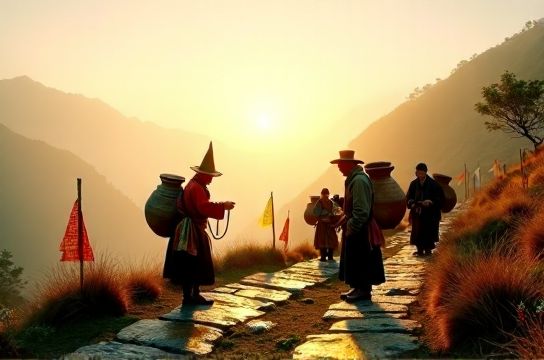
Back in the day, traders packed bricks of dark Pu-erh tea and trekked through misty mountains and deep valleys. But they weren’t just hauling goods — they were swapping stories, beliefs, and flavors. Every village along the route added its own twist, turning the Tea Horse Road into a vibrant mix of ethnic identities.
You’ve got the Yi, Bai, Naxi, Tibetan, Dai, and Hani people — each with their own languages, clothes, and customs. In Lijiang, the Naxi folks keep their Dongba script alive, one of the last pictographic writing systems in the world. Step into Dali, and you’re greeted by Bai architecture with its striking white walls and curved eaves, plus tie-dye crafts that pop with color.
And let’s talk food — because seriously, that’s where the magic happens. One minute you're sipping butter tea in a Tibetan home (yes, tea with yak butter — it’s salty, creamy, and weirdly addictive), and the next you're biting into Dai-style bamboo rice or spicy Yi cold noodles. Every meal tells a story of adaptation and exchange.
What makes this route so special isn’t just the diversity — it’s how these cultures rubbed shoulders for centuries and still kept their unique vibes. The Tea Horse Road became a bridge, not a blender. Trade brought wealth, but the real treasure? Mutual respect and shared creativity.
Today, parts of the trail are paved, and motorbikes have replaced mule trains. But if you hike the old stone paths or chat with local elders, you can still feel the heartbeat of this historic corridor. Festivals, temple fairs, and family-run guesthouses keep traditions alive, often welcoming curious travelers eager to learn.
For anyone interested in authentic cultural travel, the Tea Horse Road is low-key legendary. No flashy crowds, no overpriced gimmicks — just real people, real stories, and a deep sense of connection across mountains and generations.
So if you're looking to go beyond the usual tourist spots and dive into something meaningful, follow the scent of tea and incense through these highland villages. The past isn’t dead here — it’s being lived, one cup of tea at a time.