
Silk Road Revisited: Ancient Paths Through Xinjiang’s Remote Valleys
- Date:
- Views:290
- Source:The Silk Road Echo
Imagine walking a trail where camel caravans once clinked through desert winds, traders bartered spices under starry skies, and cultures quietly blended into something totally unique. That’s the magic of the Silk Road — especially in Xinjiang’s wild, sunbaked valleys, where history isn’t just written in books, it’s carved into the land.
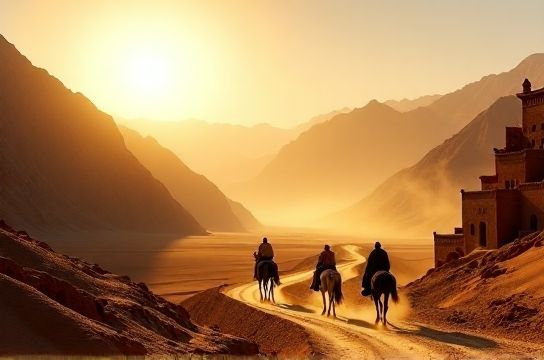
Let’s be real — when most people think of the Silk Road, they picture dusty maps and ancient empires. But step into Xinjiang, western China’s cultural crossroads, and you’re not just learning history — you’re living it. From the towering Tien Shan mountains to the edge of the Taklamakan Desert, this region was the beating heart of one of the world’s first global networks.
Back in the day, this wasn’t just about silk (though yeah, that shiny fabric started it all). It was about ideas. Buddhism flowed east from India through these very valleys. Persian poetry, Central Asian music, even early forms of paper — all traveled along these rugged trails. And Xinjiang? It was the ultimate pit stop. Cities like Kashgar and Khotan weren’t just trading hubs — they were melting pots where Uyghur, Han, Turkic, and Persian influences danced together for centuries.
Today, you can still feel that energy. Hike the old caravan routes near Taxkorgan, and you’ll pass crumbling watchtowers that once guarded merchants from bandits. The air’s thin, the views are epic, and every stone feels like a whisper from the past. Locals in colorful robes might invite you for tea — sweet, strong, and served with stories older than your hometown.
But here’s the thing: exploring Xinjiang isn’t just about nostalgia. It’s about connection. You’ll meet villagers who’ve lived off the land the same way their ancestors did — growing apricots in oasis towns, weaving silk by hand, playing the haunting melodies of the dutar. It’s slow travel at its most authentic.
And while the modern world has touched Xinjiang (hello, high-speed trains), the remote valleys remain refreshingly untouched. There’s no filter needed when you’re staring at snow-capped peaks reflecting in a crystal-clear river, knowing Marco Polo probably did the same 700 years ago.
Worried about getting there? Don’t be. Flights into Ürümqi or Kashgar make access easier than ever. From there, local guides — many born and raised along the old route — can take you deep into the valleys most tourists never see. Think homestays, jeep adventures, and nights spent under skies so full of stars, you’ll forget what light pollution is.
So if you’re craving travel with soul — where every turn holds a story, and every meal tastes like history — Xinjiang’s Silk Road valleys should be on your radar. This isn’t just a trip. It’s a journey back to the roots of connection, trade, and human curiosity.