
Ethnic Minority Villages in Southwest China Cultural Treasures
- Date:
- Views:204
- Source:The Silk Road Echo
Ever dreamed of stepping into a world where time slows down, colors pop with tradition, and every hillside tells a story? Welcome to the ethnic minority villages of Southwest China — hidden cultural gems tucked into the misty mountains of Yunnan, Guizhou, and Guangxi. These aren’t just scenic spots; they’re living museums of ancient customs, vibrant festivals, and breathtaking craftsmanship.
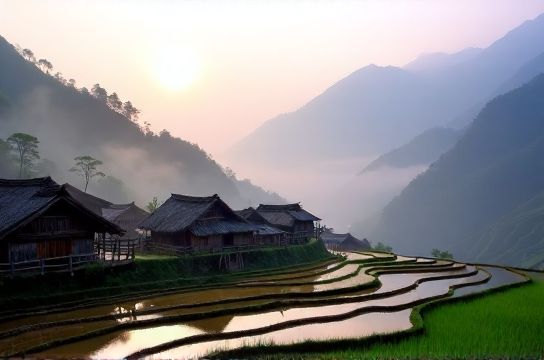
From the terraced rice fields of the Hani people to the silver-jingling attire of the Miao women, this region is a sensory explosion. Over 30 officially recognized ethnic groups call Southwest China home, each with its own language, dress, and traditions. And guess what? Many of these communities have preserved their heritage for centuries, untouched by mass tourism… at least for now.
Why You Should Visit
It’s not just about taking pretty photos (though you’ll definitely do that). It’s about connection. In villages like Xijiang Qianhu Miao (the largest Miao village in China) or Yuanyang Hani Terraces, you can join locals in traditional dances, taste handcrafted sticky rice, and even stay overnight in wooden stilt houses.
According to China’s Ministry of Culture and Tourism, ethnic tourism contributed over 120 billion RMB annually in recent years, with Yunnan alone attracting more than 8 million visitors seeking cultural experiences in 2023.
Top 4 Villages to Explore
| Village | Ethnic Group | Location | Highlight |
|---|---|---|---|
| Xijiang Qianhu Miao | Miao | Guizhou | Largest Miao village, nightly drum tower performances |
| Yuanyang Hani Terraces | Hani | Yunnan | UNESCO site, mirror-like rice paddies |
| Daiyuanguo Village | Dai | Xishuangbanna, Yunnan | Water-Splashing Festival, tropical vibes |
| Zhenyuan Yi & Hui | Yi, Hui | Yunnan | Ancient town charm, Islamic-Chinese fusion |
Cultural Etiquette Tips
- Ask before photographing people — many elders consider it disrespectful otherwise.
- Dress modestly when visiting religious or sacred sites.
- Participate, don’t just observe — join a dance, try the food, learn a phrase in the local dialect.
The best time to visit? Spring and autumn. Summer brings heavy rains (especially in August), while winter can be chilly in the highlands. Pro tip: Plan around festivals like the Miao New Year (November) or Dai Water-Splashing Festival (April) for maximum cultural immersion.
Sustainable Travel Matters
With rising tourism, some villages face challenges like overcrowding and cultural commodification. Choose eco-lodges, support local artisans, and avoid mass-produced souvenirs. Remember: you’re a guest in someone’s home.
In a world that’s increasingly homogenized, these villages are a refreshing reminder of diversity, resilience, and beauty. So pack your curiosity — and maybe a rain jacket — and dive into one of China’s most authentic travel experiences.