
China Hiking Trails Remote Paths Through Untouched Landscapes
- Date:
- Views:307
- Source:The Silk Road Echo
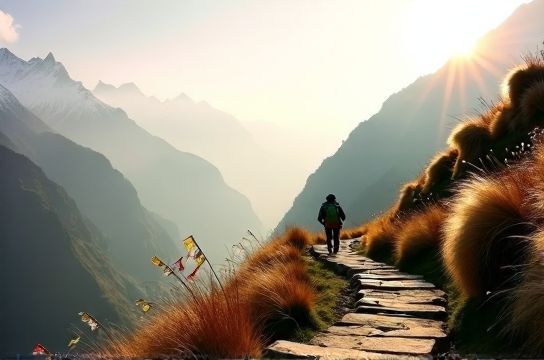
If you're craving raw, unfiltered nature far from the tourist hustle, China's remote hiking trails are your next adventure. Forget crowded landmarks—these hidden paths wind through misty mountains, ancient forests, and forgotten villages, offering a rare glimpse into untouched beauty.
Why Hike in China’s Hidden Corners?
While the Great Wall gets all the attention, China hides over 60,000 km of lesser-known trails across its vast terrain. From the snow-capped peaks of Sichuan to the karst towers of Guangxi, these routes blend physical challenge with cultural depth. Think terraced rice fields worked by hand, Tibetan prayer flags fluttering above passes, and hot springs tucked in alpine valleys.
Top 3 Off-the-Grid Hiking Trails
1. Meili Snow Mountain Trek (Yunnan)
This sacred pilgrimage route circles Kawa Karpo (6,740m), one of Tibet’s most revered peaks. The 8-day loop takes hikers through rhododendron forests, glacial rivers, and remote Naxi and Tibetan villages. Altitude ranges from 2,200m to 4,300m—this one’s for seasoned trekkers.
2. Tiger Leaping Gorge (Yunnan)
One of Asia’s deepest gorges cuts between Jade Dragon Snow Mountain and Haba Snow Mountain. The high trail offers jaw-dropping views of the Yangtze River 3,700 meters below. Best hiked from March to May or September to November.
3. Zhamu Valley Trek (Tibet Autonomous Region)
Nestled near Nyingchi, this 5-day trek follows crystal-clear rivers past waterfalls and meadows blooming with wildflowers. At 3,000–4,000m elevation, it’s perfect for acclimatization before higher-altitude adventures.
Trail Comparison Table
| Trail | Duration | Difficulty | Best Season | Elevation Range |
|---|---|---|---|---|
| Meili Snow Mountain | 8 days | Hard | May–Oct | 2,200–4,300m |
| Tiger Leaping Gorge | 2–3 days | Medium | Mar–May, Sep–Nov | 1,800–2,600m |
| Zhamu Valley | 5 days | Medium | Jun–Sep | 3,000–4,000m |
What You’ll Need
- Permits: Required for Tibet and some protected areas. Apply weeks in advance.
- Local Guides: Recommended for navigation and cultural access.
- Gear: Layered clothing, sturdy boots, altitude meds if needed.
Cultural & Environmental Etiquette
Many trails pass through indigenous lands. Always ask before photographing people, avoid littering, and respect sacred sites like mani stones and chortens. Stick to marked paths to protect fragile alpine ecosystems.
Final Thoughts
China’s remote hikes aren’t just about scenery—they’re immersive journeys into landscapes where time moves slower and nature still rules. Whether you're crossing bamboo bridges or sharing butter tea with locals, these trails deliver adventure with soul.
Ready to step off the beaten path? Pack light, tread lightly, and let China’s wild side surprise you.