
Sacred Paths: Pilgrimage Trails and Spiritual Journeys in Tibet and Yunnan
- Date:
- Views:307
- Source:The Silk Road Echo
Ever dreamed of trading your daily grind for a spiritual trek through misty Himalayan valleys and ancient Buddhist trails? Welcome to the sacred paths of Tibet and Yunnan — where every step is a prayer, and every breath feels closer to enlightenment.
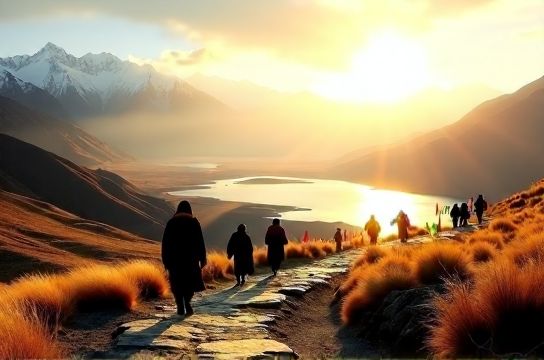
These regions aren’t just postcard-perfect landscapes (though trust us, they are). They’re living temples of culture, faith, and endurance. From the high-altitude devotion of the Kora around Mount Kailash to the tranquil forest trails of Yunnan’s Napa Lake pilgrimage route, these journeys blend physical challenge with deep spiritual meaning.
Why Walk These Sacred Trails?
For centuries, Tibetan Buddhists, Bon practitioners, and local ethnic groups like the Naxi and Yi have walked these routes as acts of devotion. Completing a kora (a ritual circumambulation) isn't about fitness—it's about purifying karma, gaining merit, and connecting with the divine.
And while you don’t need to be religious to walk them, most travelers come away transformed. A 2022 survey by Asia Trekker Insights found that 89% of pilgrims reported heightened mindfulness and emotional clarity after completing a sacred trail.
Top 3 Sacred Pilgrimage Routes
| Trail | Location | h>DistanceAltitude (Max) | Spiritual Significance | |
|---|---|---|---|---|
| Mount Kailash Kora | Tibet Autonomous Region | 52 km (32 mi) | 5,636 m (18,500 ft) | Holy to Hindus, Buddhists, Jains, and Bonpos; believed to be the abode of Lord Shiva |
| Lhasa to Ganden Monastery | Near Lhasa, Tibet | 12 km (7.5 mi) | 4,300 m (14,100 ft) | Pilgrimage honoring Tsongkhapa, founder of Gelug school |
| Napa Lake Sacred Circuit | Shangri-La, Yunnan | 18 km (11 mi) | 3,800 m (12,500 ft) | Venerated by local Tibetan and Naxi communities; linked to nature deities |
What Makes These Journeys Unique?
Unlike typical hikes, these trails are layered with symbolism. You’ll pass mani walls carved with mantras, spin prayer wheels filled with sacred texts, and meet pilgrims prostrating every few steps — a practice called full-body kora. Some devotees spend months completing a single circuit!
The environment itself feels charged. In Tibet, stark mountains are seen as protectors; in Yunnan, forests and lakes are inhabited by spirits. Locals believe that walking these paths with pure intention can heal illness or bring blessings.
Practical Tips for Modern Pilgrims
- Best Time to Go: May–October (avoid monsoon in Yunnan, harsh cold in Tibet)
- Permits: Required for Tibet; apply through a licensed tour operator
- Pack Light, Pray Heavy: Bring warm layers, water purification, and respect. No drones near monasteries!
- Acclimatize: Spend 2–3 days in Lhasa or Shangri-La before ascending
Remember: these aren’t tourist attractions. Keep voices low, ask permission before photographing pilgrims, and walk clockwise—always.
Final Thoughts
The sacred paths of Tibet and Yunnan offer more than adventure—they invite introspection. Whether you're drawn by faith, curiosity, or the call of the wild, these journeys remind us that some roads aren’t meant to be rushed. They’re meant to be felt.
So lace up your boots, set your intention, and let the mountains guide your soul.