
Trekking Through China's Untouched Mountain Regions
- Date:
- Views:231
- Source:The Silk Road Echo
Imagine trading city noise for the whisper of wind through pine trees, swapping skyscrapers for jagged mountain peaks dusted with snow. If your soul craves raw, unfiltered nature, then trekking through China's untouched mountain regions is your next adventure calling.
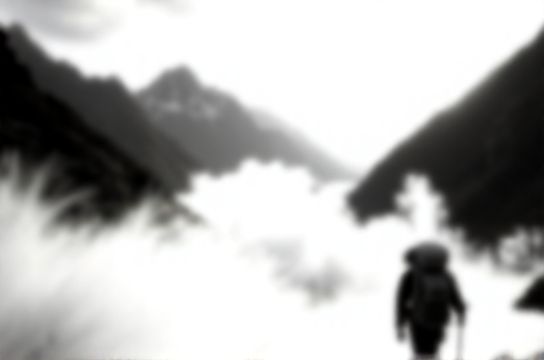
Forget the postcard-perfect crowds of Zhangjiajie. We're diving into remote trails where yaks outnumber tourists and every sunrise feels like a private show. From the sacred ridges of Yunnan to the wild passes of Sichuan, China’s hidden highlands are a dream for intrepid hikers.
Let’s break it down—literally—with some real trail stats.
Top 3 Off-the-Grid Trekking Routes
| Trail | Region | Duration (Days) | Max Altitude (m) | Difficulty |
|---|---|---|---|---|
| Mt. Meili Kora | Yunnan | 7–9 | 4,800 | Hard |
| Yading Nature Reserve Loop | Sichuan | 5–6 | 4,700 | Medium-Hard |
| Tiger Leaping Gorge (Upper Trail) | Yunnan | 2–3 | 2,600 | Medium |
Why do trekkers keep coming back? It’s not just the views—it’s the vibe. In these zones, you’re not just passing through; you’re walking alongside Tibetan herders, sharing butter tea in village homes, and feeling time slow to nature’s rhythm.
When to Go?
Timing is everything. Miss the sweet spot, and you’ll face slushy trails or monsoon mudslides. Aim for:
- Best Season: Late September to early November – crisp air, clear skies, golden larch forests.
- Avoid: June to August (rainy) and January to February (extreme cold).
Gear That Won’t Quit
You won’t find REI outposts here. Pack smart:
- Waterproof hiking boots (trust us, river crossings are frequent)
- Thermal layers – temps can swing from 15°C (59°F) at day to -5°C (23°F) at night
- Portable altitude sickness meds (Diamox recommended)
- Solar charger – villages have spotty electricity
And don’t forget a journal. You’ll want to remember how silent it gets when you’re above the tree line at dawn.
Cultural Respect = Sustainable Trekking
These mountains aren’t just scenic—they’re sacred. Locals believe peaks like Kawagarbo (in Mt. Meili) are spiritual guardians. Always walk clockwise around stupas, ask before photographing people, and pack out all trash. Leave no trace, but take home wonder.
Trekking here isn’t about conquering nature. It’s about connecting—with earth, culture, and yourself.
So lace up. Adventure isn’t found. It’s earned—one step at a time, deep in China’s wildest corners.