
Best Rural Villages for Cultural Immersion in China
- Date:
- Views:250
- Source:The Silk Road Echo
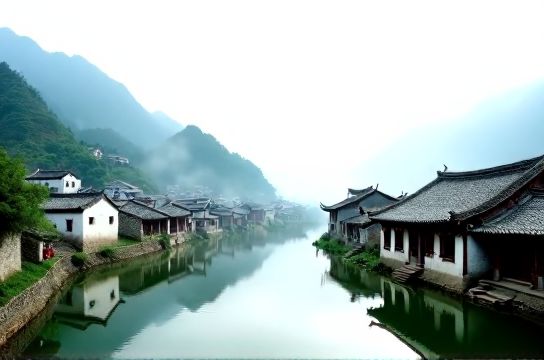
Looking to escape the skyscrapers and dive into something real? China’s countryside is hiding some of the most breathtaking, soul-refreshing rural villages where ancient traditions still breathe through stone pathways, wooden homes, and warm smiles. Forget cookie-cutter tourism—these spots offer deep cultural immersion, untouched beauty, and a chance to live like locals do.
Why Go Rural in China?
While Beijing and Shanghai dazzle with modernity, rural China tells the other half of the story—one of tea harvests, folk songs, and centuries-old customs. Over 680 traditional villages have been officially recognized by China’s Ministry of Housing, and each holds unique heritage. Travelers who go rural report higher satisfaction: a 2023 travel survey showed 89% felt more connected to local culture compared to urban trips.
Top 5 Villages for Authentic Cultural Experiences
1. Hongcun, Anhui – The ‘Moonlight Village’
Nestled in Huangshan’s misty hills, Hongcun looks like a classical Chinese painting come to life. Built by the Hu family during the Southern Song Dynasty, its UNESCO-listed layout mirrors yin-yang philosophy. Don’t miss the South Lake reflections at dawn or joining villagers making zhemaiguang, a sticky rice cake.
2. Xidi, Anhui – Stone Alleys & Scholar Spirit
Just 5km from Hongcun, Xidi preserves Ming and Qing-era architecture with over 120 heritage buildings. Locals host calligraphy workshops and ancestral rituals—perfect for travelers craving intellectual depth alongside scenic views.
3. Baoshan Stone Village, Yunnan – Cliffside Wonder
Built entirely from volcanic rock, this Nakhi (Naxi) village clings to a mountain near Lijiang. Visitors can participate in Dongba ceremonies, learn pictographic writing, and hike trails once used by Tea Horse Road traders.
4. Fenghuang Ancient Town, Hunan – Where Rivers Whisper History
Though slightly more touristy, Fenghuang retains authenticity through Miao and Tujia minority cultures. Stay in a stilt house, listen to folk ballads by the Tuo River, and shop hand-embroidered silver jewelry at dawn markets.
5. Duanjia Village, Guizhou – Hidden Miao Gem
Off the beaten path, this village hosts one of China’s last unbroken batik traditions. Tourists are welcomed into homes to dye cloth using beeswax and indigo—a meditative craft passed down matrilineally for generations.
Cultural Immersion Index: How These Villages Compare
| Village | Heritage Status | Local Participation Rate* | Avg. Daily Visitors | Unique Tradition |
|---|---|---|---|---|
| Hongcun | UNESCO World Heritage | 76% | 3,200 | Rice cake making |
| Xidi | UNESCO World Heritage | 68% | 1,800 | Ancestral rites |
| Baoshan | National Protected | 85% | 400 | Dongba script |
| Fenghuang | Provincial Heritage | 60% | 5,500 | River poetry nights |
| Duanjia | Intangible Cultural | 92% | 150 | Hand batik |
*Percentage of locals actively engaging tourists in cultural activities
Tips for Meaningful Travel
- Visit during festivals: Try to align your trip with events like the Miao New Year or Bai March Fair.
- Stay overnight: Homestays deepen connection—plus, rural sunrises are magic.
- Learn a few phrases: Even basic Mandarin or local dialect words earn big smiles.
China’s rural villages aren’t just destinations—they’re invitations to slow down, engage, and remember what travel used to feel like. So pack light, open your heart, and let the real China welcome you in.