
Sleep Under Stars on Gobi Desert Edge Expeditions
- Date:
- Views:285
- Source:The Silk Road Echo
Ever dreamed of drifting off to sleep beneath a sky so packed with stars it feels like you’re floating in space? Welcome to the Gobi Desert Edge Expeditions—where silence, sand, and starlight collide in one of Earth’s most underrated adventures.
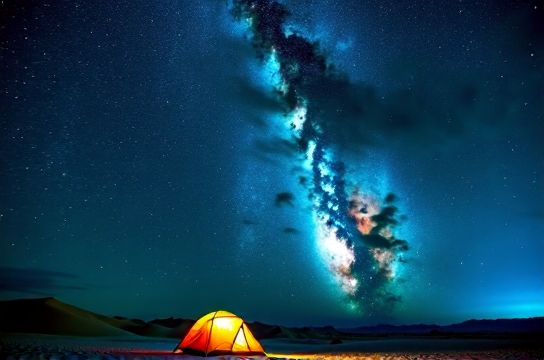
Nestled between Mongolia and northern China, the Gobi isn’t just a desert—it’s a sprawling, otherworldly landscape stretching over 1.3 million square kilometers. But here’s the kicker: while most people think deserts are barren wastelands, the Gobi is alive. From snow-capped dunes to ancient dinosaur fossils, this place defies expectations. And when night falls? That’s when the real magic begins.
Why Sleep in the Gobi?
Forget hotel rooms. The Gobi offers something far rarer: total sensory reset. With light pollution nearly zero, the night sky explodes into view. On a clear night, you can spot up to 2,500 stars with the naked eye—compared to maybe 200 in a typical city. Add in the Milky Way arching overhead like a glowing river, and you’ve got nature’s ultimate light show.
But it’s not just about looks. Sleeping under the open sky here connects you to something primal. No Wi-Fi, no notifications—just wind, stars, and your own thoughts. It’s digital detox meets cosmic therapy.
Best Time to Go
Timing is everything. You don’t want to roast or freeze under the stars. Here’s a quick breakdown:
| Season | Temp Range (°C) | Night Sky Clarity | Recommended? |
|---|---|---|---|
| Spring (Apr–May) | 5°C – 20°C | ★★★★☆ | Yes |
| Summer (Jun–Aug) | 25°C – 40°C | ★★★☆☆ | Only early/late summer |
| Fall (Sep–Oct) | 0°C – 18°C | ★★★★★ | Highly Recommended |
| Winter (Nov–Mar) | -20°C – -5°C | ★★★★★ | For adventurers only |
Pro tip: Aim for September to October. Days are warm, nights crisp, and skies crystal clear. Plus, fewer crowds mean more solitude—and better stargazing.
What to Pack (And What to Leave Behind)
- Must-haves: Thermal sleeping bag (-10°C rating), portable star map app, headlamp with red light mode (preserves night vision), and a lightweight ground mat.
- Nice-to-have: Compact telescope or binoculars, journal for sky notes, thermos with hot tea.
- Leave at home: Flashy electronics, white-light flashlights, loud music. Respect the silence.
Top Spots for Starry Nights
Not all desert edges are created equal. These three zones deliver the full celestial experience:
- Flaming Cliffs (Bayanzag) – Famous for dinosaur digs, but at night? A golden amphitheater under the cosmos.
- Khongoryn Els – Known as the 'Singing Dunes,' this 180km stretch of soft sand reflects moonlight like a mirror.
- Yolyn Am – A frozen canyon by day, a star tunnel by night. Perfect for winter expeditions.
In short, if you’ve ever wanted to fall asleep under a galaxy, the Gobi Desert edge is your gateway. It’s raw, real, and ridiculously beautiful. So pack light, look up, and let the universe tuck you in.