
Rare Encounters with Lisu Tribes in Deep Valleys
- Date:
- Views:296
- Source:The Silk Road Echo
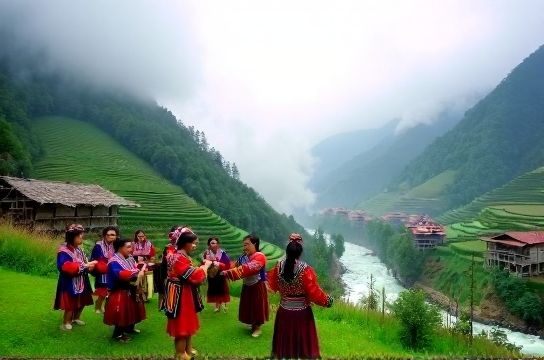
Deep in the misty gorges of Southwest China, where cell signals fade and modern life feels like a distant memory, the Lisu people live much as they have for centuries. Tucked away in Yunnan and Sichuan provinces, these highland tribes offer intrepid travelers a rare window into a vanishing way of life—one defined by vibrant dress, ancient customs, and an unbreakable bond with nature.
Who Are the Lisu?
The Lisu are one of China’s 56 officially recognized ethnic groups, numbering around 700,000 nationwide. Most reside in the Nujiang Valley (Salween River Gorge), a UNESCO World Heritage candidate known for its dramatic cliffs and biodiversity. The valley is also home to other minority groups, but the Lisu stand out—literally—with their colorful embroidered clothing and fearless mountain spirit.
Historically semi-nomadic, the Lisu practiced slash-and-burn farming. Today, many still grow corn, rice, and buckwheat on steep terraces carved into mountainsides. Their homes? Wooden stilt houses called zhaolou, raised above damp ground to keep out pests and floods.
A Cultural Snapshot: Festivals & Traditions
If you’re lucky enough to visit during the Lusheng Festival (usually December–January), prepare for music, dancing, and archery contests. This week-long celebration marks the new year and honors ancestral spirits. Men wear red turbans and carry crossbows; women dazzle in multi-layered skirts adorned with silver coins that jingle with every step.
Another highlight? The Crossbow Festival. Don’t worry—it’s not as intense as it sounds. Locals compete in friendly target shooting, while kids laugh and elders sip homemade corn wine. These events aren’t staged for tourists—they’re real community gatherings, though visitors are usually welcomed with warm smiles.
What You Need to Know Before You Go
Traveling to Lisu villages isn’t a weekend getaway. It requires planning, patience, and respect. Here’s a quick guide:
| Aspect | Details |
|---|---|
| Best Time to Visit | October–November (harvest season); December–January (festivals) |
| Key Locations | Fugong County, Gongshan, Lushui (Nujiang Prefecture) |
| Accessibility | Flights to Kunming → Bus to Liuku (~8 hrs); 4WD recommended for villages |
| Language | Lisu language; basic Mandarin helpful; English rare |
| Accommodation | Homestays in village guesthouses (~¥80–120/night) |
Pro tip: Hire a local guide. Not only does this support the economy, but guides help bridge cultural gaps and ensure your presence doesn’t disrupt daily life.
Responsible Tourism Tips
The Lisu aren’t a museum exhibit. They’re real people living real lives. So snap photos? Sure—but always ask first. Want to join a dance? Wait for an invitation. And never haggle over handmade crafts; these weavings and carvings take hours, even days, to make.
Bringing small gifts like school supplies or medical kits is appreciated, especially in remote areas. But avoid handing things directly to children—coordinate with village elders instead.
Final Thoughts
Meeting the Lisu isn’t just about ticking off a bucket list. It’s about connection. About hearing stories told around firelight, tasting sticky rice steamed in bamboo, and realizing how much beauty exists beyond Wi-Fi zones. In a world rushing toward uniformity, the Lisu valleys remain a defiant splash of color, culture, and courage.
So if you crave travel that moves your soul—not just your passport stamps—pack light, tread gently, and head deep into the gorge. The Lisu are waiting.