
Traverse Bamboo Forests to Secluded Hunan Hamlets
- Date:
- Views:184
- Source:The Silk Road Echo
Ever dreamed of swapping city chaos for whispering bamboo groves and mist-kissed mountain villages? Welcome to rural Hunan, where emerald forests stretch endlessly and time slows to the rhythm of rice paddies and stone mills. This isn’t just a getaway—it’s a soul reset.
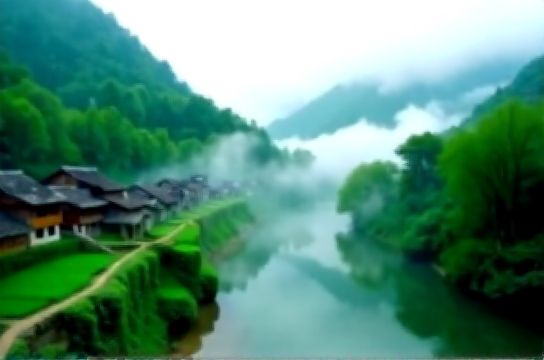
Nestled in China’s southern highlands, Hunan’s hidden hamlets—like Chadong, Fenghuang's quieter cousins, and Wanmoping—offer more than postcard views. They’re gateways to an ancient way of life, where Miao and Tujia villagers still craft indigo batik by hand and celebrate festivals older than your grandma’s recipe book.
Start in Zhangjiajie—not just for Avatar vibes (though yes, those sandstone spires are unreal), but as your launchpad into deeper green. Rent a local e-bike (only ¥50/day!) and cruise through Baofeng Bamboo Sea, a 12,000-acre wonderland where stalks sway like silent sentinels. Pro tip: go at dawn. The fog curls around trunks like smoke, and you’ll have it all to yourself—no selfie sticks in sight.
After two hours weaving through bamboo tunnels, drop into Shatian Village. Population? Around 300. Vibe? Unhurried magic. Stay in a wooden stilt house (from ¥180/night) run by Auntie Li, who serves smoky cured pork with chili-drenched tofu that’ll make your taste buds dance.
Why Hunan’s Hidden Spots Beat the Tourist Trail
Mainstream spots get crowded. These don’t. Check this out:
| Destination | Monthly Visitors | Avg. Accommodation Cost (¥) | UNESCO Status |
|---|---|---|---|
| Fenghuang Ancient Town | 400,000+ | 320 | Tentative List |
| Shatian Village | <5,000 | 180 | Cultural Heritage Site (Local) |
| Zhangjiajie National Park | 800,000+ | 400 | World Natural Heritage |
| Wanmoping Hamlet | <1,000 | 150 | None (Undeveloped) |
See the difference? You’re not just saving cash—you’re dodging crowds and touching something real.
Hiking trails link these villages like nature’s own social network. Try the Five Tiger Gorge Path: 7km of mossy stones, hidden waterfalls, and tea huts where elders pour free chrysanthemum brew. One local farmer, Old Tan, told me, “City folks rush. Here, we walk to listen.” Poetry, right?
And food? Beyond fiery Hunan spice, think farm-to-table before it was a trend. Bamboo shoot stir-fry, fermented fish from mountain streams, and sticky rice steamed in leaves. Markets open at sunrise—arrive early for handmade noodles slung across bamboo poles.
Best times to visit? April–May for blooming rhododendrons or September–October when harvest gold sets the hills ablaze. Avoid Chinese National Holiday (Oct 1–7)—even quiet zones get a surge.
Getting there: Fly to Changsha, then take a 2.5-hour high-speed train to Jishou. From there, local buses crawl into the hills (yes, they’re slow—but the views? Worth every bump).
This isn’t ‘glamping’ or curated culture. It’s raw, real, and refreshingly unpolished. So ditch the guidebook clichés. Let bamboo shadows guide you. Listen to silence. Taste smoke and soil. That’s Hunan’s true heartbeat.