
Follow Herders’ Paths Across Xinjiang’s Pastures
- Date:
- Views:207
- Source:The Silk Road Echo
Ever dreamed of trading city chaos for endless green meadows, yaks ambling beside mountain trails, and the scent of fresh milk tea drifting from a nomadic tent? Welcome to Xinjiang’s pastoral soul—where ancient herding routes still pulse with life. This isn’t just travel; it’s time travel on horseback.
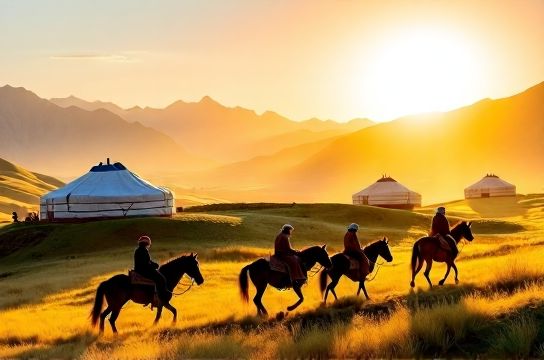
Xinjiang Uygur Autonomous Region, tucked in China’s far west, is more than deserts and Silk Road ruins. Its Tian Shan mountains cradle some of Asia’s most breathtaking seasonal pastures. Every spring and autumn, Kazakh and Kyrgyz herders drive livestock across high-altitude grasslands—a tradition known as transhumance. And now, adventurous travelers can walk (or ride) right alongside them.
Why Follow the Herders?
Forget cookie-cutter tours. Joining a herding migration means raw, real connection. You’ll eat homemade naan in a wool-felt yurt, learn to milk goats, and hear throat-singing echo through alpine valleys. It’s immersive, sustainable tourism at its finest.
Data shows a rising interest: according to Xinjiang Tourism Bureau, eco-cultural trekking grew by 37% from 2021 to 2023. Most visitors cite ‘authentic cultural exchange’ and ‘untouched nature’ as top draws.
Top Routes & Best Times
The herding calendar revolves around altitude and weather. Here’s when and where to go:
| Route | Location | Movement Period | Elevation Range | What to Expect |
|---|---|---|---|---|
| Küngöy Ala-Too Trail | Tekes County | April–May, September–October | 1,800–3,200 m | Families with sheep, horses; vibrant spring blooms |
| Bakyrzhan Migration Path | Nalati Grassland | June–July (up), October (down) | 2,000–3,600 m | Larger caravans; frequent guest yurts |
| Saryjaz High Pass Trek | Bayinbuluk | July–August only | 2,500–3,800 m | Rugged terrain; rare wildlife like snow leopards |
Pro tip: Late September offers golden pastures, cooler temps, and fewer bugs. Perfect for photography nerds and peace seekers alike.
What to Pack (and Not Pack)
You won’t find luxury lodges here. Think lightweight, layered clothing, sturdy boots, and a sleeping bag rated for sub-zero nights. Don’t forget a headlamp, water purifier, and a phrasebook—many herders speak Kazakh or Kyrgyz, not Mandarin.
And leave the drones at home. Many areas ban them near settlements and grazing zones.
Travel Responsibly
These traditions are fragile. Always ask permission before photographing people or entering a yurt. Respect pastureland—pack out all trash. Consider hiring local guides; their income supports entire families.
In Bayinbuluk, guided group treks increased household earnings by an average of 28% (Xinjiang Eco-Tourism Report, 2022). That’s impact you can feel good about.
So yeah—swap your screen for a saddle. Let the wind whip stories into your bones. Xinjiang’s herding trails aren’t just paths across land. They’re bridges through time.