
Ancient Ways Alive in Bai Villages Near Dali Lake
- Date:
- Views:243
- Source:The Silk Road Echo
Imagine strolling down cobbled lanes where time slows, whitewashed walls glow under Yunnan’s golden sun, and the scent of jasmine tea dances in the breeze. Welcome to the Bai villages near Dali Lake—where ancient traditions aren’t just preserved; they’re lived every single day.
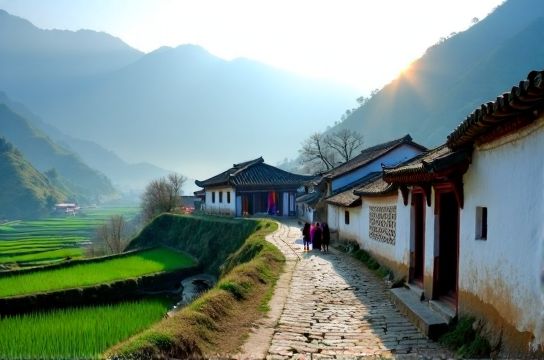
Nestled between the Cangshan Mountains and Erhai Lake, these villages—like Xizhou, Shuanglang, and Zhoucheng—are cultural jewels of the Bai ethnic minority. With over 1.5 million Bai people in China, mostly in Dali, their heritage shines through architecture, festivals, and textile arts that have survived centuries.
Why the Bai Culture Stands Out
The Bai are masters of harmony—between nature, design, and community. Their iconic ‘three坊one screen wall’ courtyard homes blend Feng Shui with practical elegance. Built from wood and stone, these houses feature upturned eaves and intricate carvings, symbolizing prosperity and protection.
But it’s not just about looks. The Bai philosophy of balance extends to daily life. Farming, weaving, and ancestor veneration remain central—even as tourism grows.
Must-Visit Villages & What They Offer
Here’s a quick snapshot of three top villages:
| Village | Known For | Visitor Tips | Best Time to Visit |
|---|---|---|---|
| Xizhou | Best-preserved architecture, local markets | Try the famous ruosi (shredded pork sandwich) | March–May, October–November |
| Shuanglang | Lakefront views, artist studios | Sunset at Erhai is magical | Year-round, less crowded in shoulder seasons |
| Zhoucheng | Traditional tie-dye (Bai: zha ran) | Take a DIY dyeing workshop | April–June for vibrant workshops |
Pro tip: Rent a bike! Cycling along Erhai’s eastern shore lets you hop between villages, breathe in fresh lake air, and stop at hidden tea stalls.
The Living Art of Tie-Dye
No visit is complete without experiencing zha ran. In Zhoucheng, entire families run dye workshops using natural indigo. The process? Cotton fabric is folded, bound with thread, and dipped—again and again—until deep blue patterns emerge.
What’s wild? This craft dates back over 1,000 years. Today, it’s both a livelihood and a legacy. Locals say each knot holds a wish.
Festivals That Bring History to Life
If you time it right, catch the Third Month Street Festival (around April). Once a trade fair along the Southern Silk Road, it’s now a dazzling mix of horse racing, singing, and food stalls.
Or witness the Benzhu Festival, where villages honor protective deities with processions, drumming, and offerings. It’s spiritual, loud, and deeply authentic.
Travel Tips for a Meaningful Trip
- Respect local customs: Ask before photographing homes or rituals.
- Support artisans directly: Buy tie-dye or embroidery from village co-ops, not generic shops.
- Stay local: Family-run guesthouses offer real connection—and killer breakfasts.
The magic of the Bai villages isn’t in museums—it’s in shared smiles, steaming teacups, and the quiet pride of a culture that refuses to fade. Come curious. Leave transformed.