
Cultural Treasures in Miao Hamlets of Southeast Guizhou
- Date:
- Views:171
- Source:The Silk Road Echo
Nestled in the misty mountains of southern China, the Miao hamlets of Southeast Guizhou are a living canvas of tradition, color, and soul. If you're craving authenticity over Instagrammable clichés, this is your spiritual reset button. Forget sterile museums—here, culture isn’t displayed; it’s worn, sung, danced, and eaten.
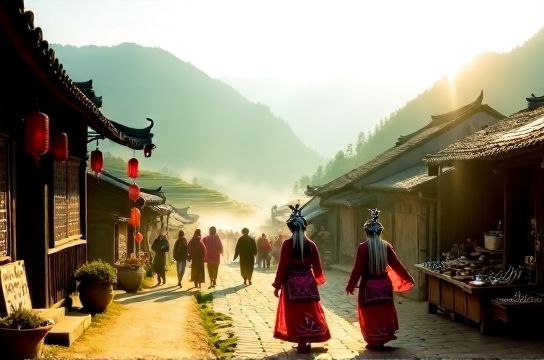
The Miao people, one of China’s 56 officially recognized ethnic groups, have preserved their heritage through centuries of isolation and resilience. In villages like Xijiang, Langde, and Basha, time moves to the rhythm of silver jingle earrings and ancient drum songs.
Why the Miao Culture Stands Out
With over 13 million Miao scattered across China, nearly a third reside in Guizhou. But it's here—in the southeast, particularly Qiandongnan Prefecture—where their cultural flame burns brightest. From intricate embroidery to lunar-based festivals, every detail tells a story.
Take the Silver Ornaments, for example. A single ceremonial headdress can weigh over 1 kilogram and take months to craft. It’s not just jewelry—it’s ancestral pride forged in metal.
Festivals That Will Blow Your Mind
You haven’t lived until you’ve seen the Miao New Year or the Lusheng Festival. Locals dress in full regalia—hand-embroidered skirts, silver crowns that shimmer like starlight—and perform dances passed down since the Tang Dynasty.
Here’s a snapshot of key cultural events:
| Festival | Time of Year | Duration | Highlight |
|---|---|---|---|
| Miao New Year | November (lunar calendar) | 3–15 days | Buffalo Sacrifice Ceremony |
| Lusheng Festival | January–February | 7–10 days | Pipe dancing & courtship rituals |
| Dragon Boat Festival | May (lunar May) | 1 day | Unique 70-foot dragon boats on the Qingshui River |
Handicrafts: Woven With Soul
Miao batik and embroidery aren't just crafts—they're coded histories. Geometric patterns often symbolize migration routes, mountain ranges, or clan legends. Using indigo-dyed cloth and beeswax-resist techniques, artisans create pieces that feel both ancient and fashion-forward.
In fact, UNESCO has recognized several Miao textile practices as intangible cultural heritage. And yes—you can buy authentic pieces directly from village cooperatives, supporting sustainable tourism.
Music & Oral Tradition
No written script? No problem. The Miao preserve history through epic chants known as Gax Dleub (Song of Ancient Times), some lasting over 10 hours. These oral epics cover creation myths, wars, love, and even early astronomy.
Accompanied by the lusheng—a reed pipe instrument with haunting melodies—these songs are the heartbeat of the community.
Travel Tips for Respectful Exploration
- Ask before photographing: Dressing up is part of daily life, not a performance for tourists.
- Visit smaller villages: Xijiang is stunning but crowded. Try Nanhuashu or Jiabang for deeper connections.
- Eat local: Try sour fish soup (suanyu tang) and glutinous rice cakes wrapped in bamboo leaves.
The Miao don’t perform culture—they live it. And when you walk these stone pathways, hearing silver chime in the wind, you’re not just visiting a place. You’re stepping into a story that’s still being written.