
Tibetan Highlands A Journey Beyond Tourist Trails
- Date:
- Views:234
- Source:The Silk Road Echo
Ever dreamed of standing atop the world, where the sky kisses snow-capped peaks and prayer flags dance in the thin mountain air? Welcome to the Tibetan Highlands—a land not just of breathtaking landscapes, but of deep spiritual resonance and raw, untamed beauty. Forget the crowded tourist spots; this is about going deeper, higher, and more authentic.
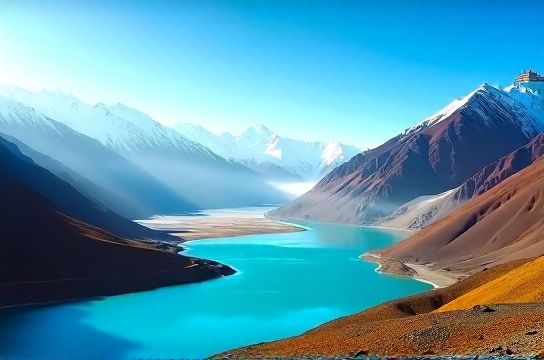
Why the Tibetan Highlands?
Nestled over 4,500 meters (14,800 ft) on average, the Tibetan Plateau is Earth’s highest and largest plateau—often called the 'Roof of the World.' But it’s not just altitude that makes it special. It's home to some of the most sacred sites in Tibetan Buddhism, like Jokhang Temple in Lhasa and the majestic Potala Palace. Yet beyond these icons lie hidden valleys, nomadic herders, and trails few have walked.
When to Go: Climate & Travel Windows
The best time to visit is from May to September, when temperatures are milder and roads are passable. Winter brings extreme cold and many high passes close due to snow.
| Month | Avg Temp (°C) | Weather | Travel Suitability |
|---|---|---|---|
| May | 8°C | Sunny, mild | ⭐⭐⭐⭐☆ |
| June | 12°C | Occasional rain | ⭐⭐⭐⭐⭐ |
| July | 14°C | Monsoon begins | ⭐⭐⭐⭐☆ |
| August | 13°C | Humid, cloudy | ⭐⭐⭐☆☆ |
| September | 10°C | Cool & clear | ⭐⭐⭐⭐☆ |
Off-the-Beaten-Path Adventures
- Lhari Pass Trek: A 7-day route linking ancient trade trails with panoramic Himalayan views. Few foreigners attempt it—permit required.
- Lake Namtso: At 4,718m, this sapphire-blue lake is sacred. Camp overnight to see stars like nowhere else.
- Zanda Valley: Western Tibet’s surreal canyonland, dotted with centuries-old monasteries carved into cliffs.
Survival Tips for High Altitude
You’re not just visiting a place—you’re entering an extreme environment. Here’s how to adapt:
- Acclimatize slowly: Spend at least 2 days in Lhasa (3,650m) before ascending further.
- Hydrate: Drink 4–5 liters of water daily. Avoid alcohol—it worsens altitude sickness.
- Medication: Carry Diamox (acetazolamide) if prone to AMS (Acute Mountain Sickness).
Fun fact: Over 70% of visitors experience mild symptoms like headache or fatigue. Listen to your body—it’s not a race.
Cultural Etiquette You Can’t Ignore
Tibet isn’t just scenic—it’s deeply spiritual. Respect goes a long way:
- Always walk clockwise around stupas, temples, and mani stones.
- Ask before photographing monks or locals.
- Never touch a monk’s head—or anyone’s, really. It’s sacred.
Final Thoughts
The Tibetan Highlands aren’t for everyone. They demand respect, preparation, and a hunger for authenticity. But for those who answer the call, it’s not just a trip—it’s a transformation. This is travel stripped bare, elevated by altitude and soul.
So pack light, tread gently, and let the wind carry your spirit across the roof of the world.