
Naxi Culture in Lijiang’s Hidden Mountain Hamlets
- Date:
- Views:233
- Source:The Silk Road Echo
Ever dreamed of stepping into a world where time slows down, stone paths whisper ancient tales, and the air hums with chants older than your grandma’s favorite song? Welcome to the hidden mountain hamlets of Lijiang, where the Naxi people keep one of China’s most enchanting cultures alive—far from the tourist-packed Old Town.
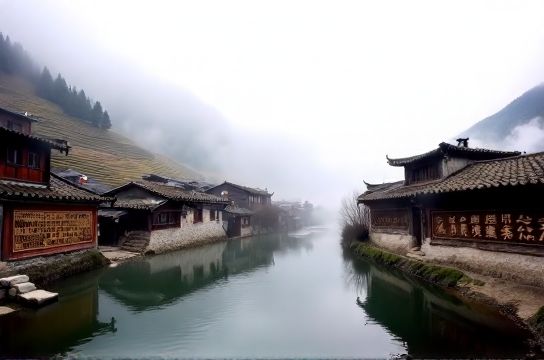
Nestled in Yunnan’s Jade Dragon Snow Mountain range, villages like Baisha, Shuhe, and Daju aren’t just scenic escapes—they’re living museums of Naxi heritage. And trust me, once you’ve sipped yak butter tea in a timber courtyard while a Dongba priest flips through pictographic scriptures, you’ll understand why this culture is pure magic.
The Soul of the Naxi: More Than Just Pretty Scenery
The Naxi, an ethnic group with roots tracing back over a thousand years, are famous for their unique Dongba script—the last surviving pictographic writing system in the world. Yep, you read that right. While emojis rule our texts, the Naxi still use symbols that look like dancing animals and mountain gods to record rituals, myths, and healing spells.
But it’s not all ancient history. In Baisha, home to the original murals blending Han, Tibetan, and Nepalese art styles, you can watch artisans paint these spiritual scenes just like their ancestors did in the 14th century.
Must-Visit Hamlets & What They Offer
Forget crowded souvenir stalls. These quiet villages offer authenticity with a side of jaw-dropping views.
| Village | Altitude (m) | Key Cultural Feature | Best Time to Visit |
|---|---|---|---|
| Baisha | 2,400 | Baisha Murals & Dongba School | March–May |
| Shuhe | 2,300 | Ancient Tea Horse Road Hub | September–November |
| Daju | 2,250 | Traditional Naxi Farm Life | June–August |
Pro tip: Visit Baisha during the Baisha Fine Music Festival (held every spring), where elders play hauntingly beautiful tunes on lute-like pipa and double-reed bawu flutes—music said to communicate with spirits.
Living Traditions You Can Actually Experience
- Dongba Ceremonies: In Daju, some families still invite Dongba priests to bless newborns or guide souls after death. With permission, travelers can observe these sacred rituals—quiet respect required!
- Weaving Workshops: Naxi women in Shuhe hand-weave intricate Yunjin-style scarves using wool dyed with walnut husks and indigo. Try your hand at the loom—you’ll appreciate the skill it takes.
- Homestays with History: Skip hotels. Stay in a centuries-old wooden house where the host cooks laoyaocha (aged tea) over an open fire. Prices? As low as $20/night—with stories included.
Why This Matters: Preserving a Fragile Culture
While Lijiang’s Old Town gets 10 million visitors a year, these mountain villages see barely 5%. That’s good for preservation—but also risky. Young Naxi are moving to cities, and fluent Dongba priests now number fewer than 100.
By visiting responsibly—supporting local guides, buying handmade crafts, and respecting customs—you’re not just traveling. You’re helping keep a 1,300-year-old culture alive.
So next time you think of Yunnan, skip the crowds. Head up the misty trails, learn a Dongba symbol or two, and let the mountains tell you stories no guidebook ever could.