
Gansu Corridor Secrets Along the Old Silk Road
- Date:
- Views:242
- Source:The Silk Road Echo
Ever dreamed of walking where camel caravans once clinked through golden deserts and ancient empires whispered secrets in the wind? Welcome to the Gansu Corridor — a 1,000-kilometer stretch of history, culture, and jaw-dropping landscapes that formed the beating heart of China’s Silk Road.
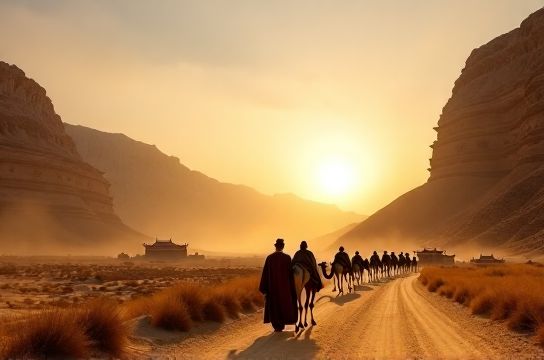
Nestled between the Tibetan Plateau and the Gobi Desert, this narrow strip of fertile land was more than just a trade route — it was a cultural melting pot. From Buddhist grottoes carved into cliffs to fortress towns guarding imperial borders, the Gansu Corridor is where East met West long before globalization became a buzzword.
Why the Gansu Corridor Matters
Between the 2nd century BCE and the 15th century CE, over 70% of Silk Road traffic flowed through Gansu. Think of it as the ancient internet highway — goods, ideas, religions, and even diseases traveled along this corridor. Marco Polo may have glamorized Central Asia, but it was Gansu that kept the wheels turning.
Today, UNESCO recognizes four major World Heritage Sites along this route, including the Mogao Caves and the Jiayuguan Fortress. But beyond the postcard spots, there’s a deeper story — one of survival, spirituality, and silent stone sentinels watching over time.
Top 4 Must-Visit Spots (And Why They’re Epic)
| Site | Historical Era | Key Feature | Visitor Stats (Annual) |
|---|---|---|---|
| Mogao Caves, Dunhuang | 4th–14th Century | 492 caves with Buddhist art | 1.8 million |
| Jiayuguan Pass | Ming Dynasty (1372) | Western end of the Great Wall | 1.2 million |
| Zhangye Danxia Landform | Natural formation (24M years) | Rainbow-colored rock layers | 3 million |
| Labrang Monastery, Xiahe | 1709 | Largest Tibetan Buddhist monastery outside Tibet | 800,000 |
If the Mogao Caves don’t humble you, nothing will. These sandstone sanctuaries house over 45,000 square meters of frescoes — some so vibrant, you’ll swear the paint just dried yesterday. Pro tip: Book a ‘special cave tour’ — only 1% of the caves are open to VIP visitors, revealing untouched murals and hidden scriptures.
Then there’s Jiayuguan, the ‘Impregnable Pass’. Legend says the builder wept upon completion, knowing no one would return home. It’s not just a wall — it’s poetry in rammed earth.
Travel Tips Like a Local
- Best Time to Visit: Late spring (May–June) or early autumn (September). Avoid July crowds and desert heat.
- Transport: High-speed rail connects Lanzhou to Urumqi, but rent a car for remote sites like Bingling Temple Grottoes.
- Eat This: Hand-pulled beef noodles in Lanzhou, yak butter tea in Xiahe.
The Gansu Corridor isn’t just a trip — it’s a time machine. Whether you’re tracing sutras in candlelit caves or staring across dunes where Xiongnu warriors once rode, you’re not just seeing history. You’re feeling it.
So pack your curiosity (and sunscreen). The old road still has stories to tell.