
Zhejiang Tea Villages Steeped in Tradition and Mist
- Date:
- Views:309
- Source:The Silk Road Echo
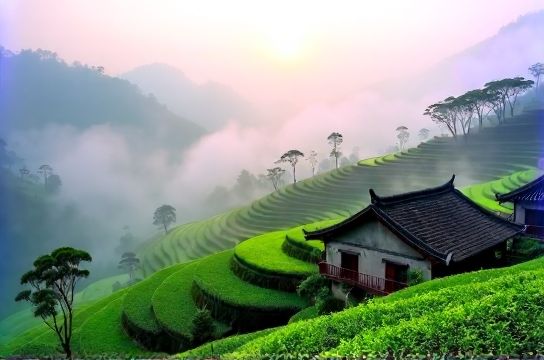
Ever dreamed of sipping the world’s most delicate green tea while surrounded by misty mountains and emerald terraces? Welcome to Zhejiang’s legendary tea villages — where centuries-old traditions brew alongside breathtaking scenery. Nestled in China’s eastern coastal province, these hidden gems produce some of the finest teas on Earth, especially the revered Longjing (Dragon Well). But this isn’t just about tea; it’s a sensory journey through culture, climate, and craftsmanship.
Why Zhejiang Grows the World’s Best Green Tea
Zhejiang’s unique geography is a tea grower’s dream. With humid subtropical climates, acidic soils, and elevations between 100–500 meters, places like Hangzhou’s Xihu District and Shaoxing’s Keqiao offer perfect conditions for Camellia sinensis. The spring mists that roll over the hills slow leaf growth, concentrating flavor compounds — resulting in sweeter, more aromatic tea.
According to the Zhejiang Provincial Bureau of Agriculture, the province produces over 85,000 tons of tea annually, with Longjing alone accounting for nearly 30%. That’s enough to fill over 8 million teapots every year!
A Closer Look: Top Tea Villages You Can’t Miss
| Village | Specialty Tea | Elevation (m) | Harvest Season | Notable Fact |
|---|---|---|---|---|
| Meijiawu, Hangzhou | West Lake Longjing | 150–250 | March–April | Imperial tribute tea since Ming Dynasty |
| Huangshan, Shaoxing | Dafo Longjing | 300–480 | April | Organic-certified farms since 2010 |
| Jing Shan, Yuhang | Jingshan White Tea | 400–520 | March–May | Used in Zen Buddhist rituals |
From Leaf to Cup: How Tradition Meets Technique
What makes Zhejiang tea so special? It’s all in the hand-processing. Authentic Longjing is still pan-fired in giant woks by skilled artisans — a technique passed down for generations. This halts oxidation, preserving freshness and that signature chestnut-like aroma.
During peak harvest, workers pick only the “one bud, one leaf” — the youngest, most tender parts. One expert can harvest about 2 kg per day, which yields just 500g of finished tea. No wonder top-grade Longjing sells for over $1,000 per kilo!
Experience It Yourself: A Traveler’s Guide
Want to walk among the tea rows and taste tea fresh from the source? Visit between late March and early April for the spring pluck — the most prized harvest. Many villages offer homestays and tea-picking tours.
- Meijiawu Tea Village: Just 15 minutes from downtown Hangzhou, this scenic spot offers guided tastings and DIY stir-frying sessions.
- Dragon Well Manor: A boutique eco-lodge serving organic Longjing pairings with local cuisine.
- Tea Culture Museum (Xihu): Learn the history, tools, and artistry behind Chinese tea.
Final Sip: Why This Tradition Matters
In an age of mass production, Zhejiang’s tea villages are guardians of authenticity. They remind us that great flavor takes time, care, and respect for nature. So next time you pour a cup of green tea, think of the misty hills, the gentle hands, and the centuries of wisdom steeped in every sip.
Whether you're a tea connoisseur or a curious traveler, Zhejiang’s tea villages offer a rare blend of peace, flavor, and heritage. Pack your bags — and your thermos.