
Walking Tour of Hakka Earthhouse Villages Fujian
- Date:
- Views:226
- Source:The Silk Road Echo
Ever dreamed of stepping into a real-life fortress straight out of ancient China? Welcome to the Hakka Earthhouse Villages in Fujian—a surreal blend of history, architecture, and culture that’ll blow your mind. These massive, circular earthen buildings aren’t just homes—they’re family fortresses, community hubs, and UNESCO World Heritage wonders all rolled into one.
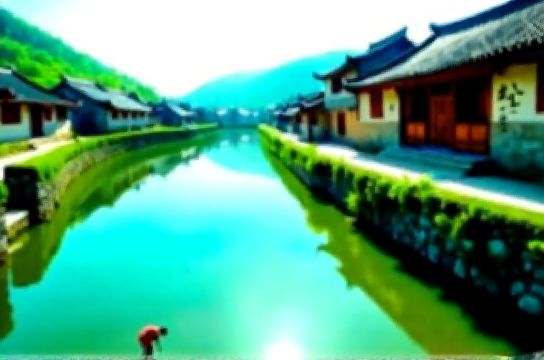
Let’s lace up and take a walking tour through these jaw-dropping structures nestled in the misty hills of southern Fujian. Whether you're a history buff, an architecture geek, or just chasing that Insta-worthy travel moment, this guide has got you covered.
Why the Hakka Tulou Are So Special
The tulou (earth buildings) were built by the Hakka people—migrant clans who needed protection from bandits and rival tribes. Constructed between the 12th and 20th centuries, these multi-story marvels could house up to 80 families under one roof—literally! Made from rammed earth, wood, and stone, they’re earthquake-resistant, naturally insulated, and eco-friendly before 'eco-friendly' was cool.
In 2008, UNESCO recognized 46 tulou clusters as World Heritage Sites. But don’t let the fancy title fool you—this isn’t some sterile museum. People still live here, cook here, and keep traditions alive.
Top 3 Tulou Clusters to Explore on Foot
You can't visit all 46, so we've picked the most iconic—and walkable—spots:
| Cluster Name | Location | Key Feature | Walking Time (Loop) |
|---|---|---|---|
| Chengqi Lou | Yongding District | Largest tulou, "King of Tulou" | 1.5 hours |
| Tianluokeng | Nanjing County | Famous "Four Dishes, One Soup" layout | 2 hours |
| Tunan Lou | Zhangpu County | Rare oval shape | 1.2 hours |
Pro tip: Start early! Mornings bring soft light for photos and fewer crowds. Plus, you might catch locals tending gardens or boiling herbal tea.
What You’ll See on the Walk
- Massive wooden gates—some over 200 years old, reinforced with iron plates.
- Intricate carvings on beams and ancestral halls showing dragons, phoenixes, and Confucian symbols.
- Central courtyards where generations gather—perfect for snapping candid life-in-action shots.
- Rice terraces and bamboo groves surrounding the villages, creating that dreamy, lost-in-time vibe.
Travel Tips You Can’t Miss
✅ Wear comfy shoes—you’ll be climbing narrow wooden stairs and uneven stone paths.
✅ Bring cash—entry fees are around ¥90 per cluster, and cards aren’t widely accepted.
✅ Hire a local guide (¥100–150/day)—they’ll share legends, point out hidden details, and help you chat with residents.
✅ Respect privacy—many rooms are still lived in. Ask before photographing people.
And yes, there are toilets—but don’t expect luxury. Pack tissues and hand sanitizer.
Final Thoughts
A walking tour of the Hakka Earthhouse Villages in Fujian isn’t just sightseeing—it’s time travel. From the scent of wet earth after rain to the echo of footsteps on century-old floors, every sense comes alive. These tulou stand as testaments to unity, resilience, and genius design.
So ditch the crowded cities. Head to the hills. And let the quiet magic of Fujian’s earthhouses leave you speechless.