
Escape Crowds on Qinling Mountain Wilderness Paths
- Date:
- Views:186
- Source:The Silk Road Echo
Looking to ditch the tourist traps and dive into raw, untouched nature? The Qinling Mountains are your golden ticket. Nestled between northern and southern China, this ecological gem isn’t just a pretty face—it’s a biodiversity hotspot and a hiker’s dream. But here’s the kicker: most visitors stick to the well-trodden paths near temples or cable cars. Want real adventure? We’re talking about the wilderness trails, where mist curls around ancient pines and you might spot a golden snub-nosed monkey before you see another human.
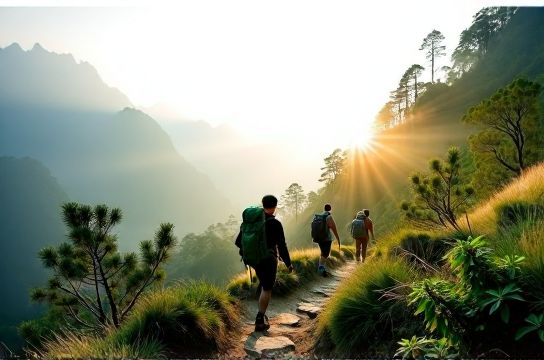
Spanning over 1,600 square kilometers, the Qinling range acts as China’s natural climate divider. It’s also home to over 300 vertebrate species, including endangered ones like the Chinese giant salamander and the elusive clouded leopard. According to the Shaanxi Forestry Bureau, protected zones in the region have seen wildlife populations rise by 18% since 2015—proof that conservation works when we step back (and hike responsibly).
So how do you escape the crowds? Simple: avoid weekends and national holidays, and aim for the lesser-known trailheads like Dabaoyan or Liangshan Valley. These routes aren’t on most tour itineraries, which means you’ll trade selfie sticks for solitude.
Here’s a quick comparison of popular vs. wilderness trails:
| Trail Type | Avg. Daily Hikers | Best Time to Visit | Wildlife Spotting Chance |
|---|---|---|---|
| Popular Trails (e.g., Huashan North Peak) | 2,000+ | Weekdays (avoid holidays) | Low |
| Wilderness Trails (e.g., Dabaoyan Loop) | 30–50 | May–June or Sept–Oct | High |
Pro tip: Pack light but smart. Weather shifts fast here—mornings can be crisp at 12°C, while afternoons climb to 24°C. And don’t forget your binoculars; birdwatchers have logged over 170 species, including the stunning collared crow.
The real magic? Overnight camping (where permitted). Imagine falling asleep under a sky so clear, the Milky Way looks photoshopped. Just remember: Leave No Trace. That means packing out all trash and avoiding open fires.
In a world where every scenic spot feels Instagram-optimized, the Qinling wilderness is refreshingly real. It’s not about check-in culture—it’s about connection. With nature. With silence. With yourself.