
Ethnic Minority Villages in Remote Southwest China
- Date:
- Views:236
- Source:The Silk Road Echo
Hidden deep within the misty mountains and lush valleys of Southwest China lie some of the most captivating ethnic minority villages you've probably never heard of. From the terraced rice fields of Yunnan to the stilted wooden homes of Guizhou, these remote communities offer a rare glimpse into centuries-old traditions that have stood the test of time.
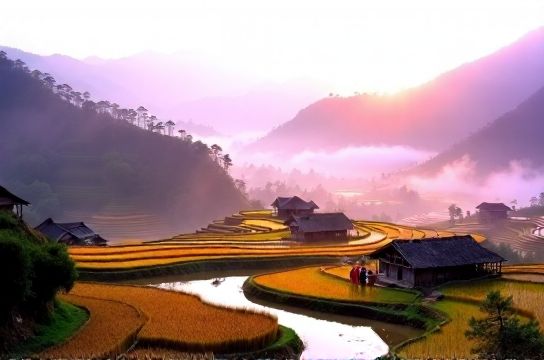
China is home to 56 officially recognized ethnic groups, and over half of them reside in the southwest—mainly in Yunnan, Guizhou, Guangxi, and Sichuan provinces. While cities like Kunming or Guiyang buzz with modern life, just a few hours’ drive away, villages like Xijiang (China’s largest Miao settlement) or Yuanyang (famous for Hani terraces) preserve cultural treasures in song, fabric, and ritual.
Take the Hani people, for example. For over 1,300 years, they’ve sculpted the Honghe Valley into a masterpiece of rice terraces. UNESCO recognized the Yuanyang Rice Terraces as a World Heritage site in 2013—not just for beauty, but for sustainable land use. These gravity-fed irrigation systems recycle 100% of water from mountain forests down to the paddies below.
And then there’s fashion with function: Miao silver headdresses can weigh up to 8 pounds! But beyond dazzling craftsmanship, each piece tells a story—migration routes, ancestral spirits, even philosophical beliefs encoded in patterns. During festivals like Lusheng节 (Lusheng Festival), entire villages come alive with drumbeats, bullfights, and sky-high fireworks.
Top 5 Must-Visit Ethnic Villages
| Village | Ethnic Group | Province | Unique Feature | Best Time to Visit |
|---|---|---|---|---|
| Xijiang Qianhu Miao Village | Miao | Guizhou | Largest Miao village in China (1,400+ households) | Oct–Nov (harvest festival) |
| Yuanyang Hani Terraces | Hani | Yunnan | UNESCO site; breathtaking sunrise views | Dec–Mar (water-filled terraces) |
| Dong Village of Zhaoxing | Dong | Guizhou | Famous for wind-and-rain bridges & polyphonic singing | May–June (rice planting season) |
| Shangri-La Dukezong Ancient Town | Tibetan | Yunnan | Historic Silk Road stop; prayer wheels & monasteries | Sept–Oct (clear skies, mild temps) |
| Longji Rice Terraces | Zhuang & Yao | Guangxi | 'Dragon's Backbone' terraces built 600+ years ago | Sep (harvest), May (flooding season) |
But here’s the real tea: tourism is a double-edged sword. While visitor numbers hit 12 million in Xijiang alone by 2023, some fear commercialization erodes authenticity. Locals now rent out homes as B&Bs, and souvenir stalls sell mass-produced 'ethnic' trinkets. The key? Travel responsibly. Stay in family-run guesthouses, ask before snapping photos, and support artisans directly.
In short, these villages aren’t just scenic escapes—they’re living museums of resilience, artistry, and harmony with nature. Whether you're chasing golden sunrises over flooded terraces or dancing at a Miao New Year celebration, Southwest China’s ethnic heartlands promise journeys that stick with you long after the flight home.