
Taste Real China in Rural Farmhouse Dining Experiences
- Date:
- Views:340
- Source:The Silk Road Echo
Ever traded your city chopsticks for a pair of wooden ones handed to you by a smiling grandma in a Chinese village? If not, you’re missing out on the soul of Chinese cuisine—raw, real, and served with a side of storytelling. Welcome to rural farmhouse dining, where every bite tells a story older than your favorite food blog.
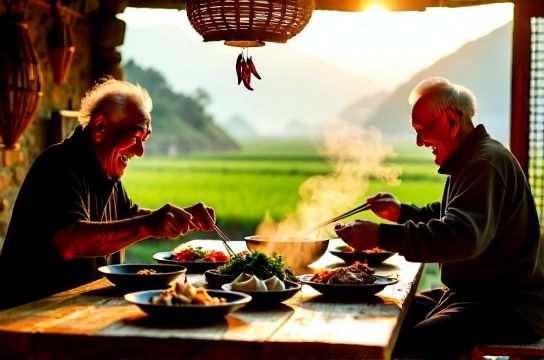
In recent years, rural tourism has exploded across China, and at its heart is the humble farmhouse meal. Forget Michelin stars—here, flavor earns its stripes from generations of tradition, not trendy plating. According to the Ministry of Culture and Tourism, over 600 million domestic trips in 2023 were linked to rural experiences, with farm-to-table dining ranking in the top three activities.
Why Farmhouse Food Hits Different
It’s simple: what grows together, eats together. In villages like Zhaoxing in Guizhou or Hongcun in Anhui, ingredients don’t travel more than 50 meters from soil to stove. That means fresher greens, richer broths, and pork so tender it melts like a childhood memory.
Take the famous Laoban Cai (home-style cooking) of Sichuan. A typical farmhouse menu there might include:
| Dish | Main Ingredients | Local Secret |
|---|---|---|
| Steamed Pork with Preserved Vegetables | Pork belly, pickled mustard greens | Fermented for 90 days in clay jars |
| Bamboo Shoot Stir-fry | Fresh bamboo shoots, garlic | Harvested before dawn, cooked within hours |
| Homemade Tofu Soup | Soybeans, spring water, gypsum | Water sourced from mountain springs |
These aren’t just meals—they’re edible heirlooms. And yes, you can learn to cook them. Many farms now offer dining + cooking workshops, where you’ll pound chili paste with a mortar older than your grandparents.
The Numbers Don’t Lie
A 2023 survey by China Rural Development Foundation found that:
- 78% of urban travelers said farmhouse meals were their favorite part of rural trips.
- Over 40% planned repeat visits just for food.
- Average spend per diner? Around ¥80–120 ($11–17)—a steal for an authentic feast.
How to Find the Best Spots
Not all farm diners are created equal. Here’s how to spot the real deal:
- No printed menus? Good sign. Dishes depend on daily harvests.
- Host cooks with stained aprons? Even better. These folks aren’t performing—they’re feeding.
- Smell woodsmoke and soy sauce? You’ve hit the jackpot.
Top picks for first-timers:
- Yunnan’s Xishuangbanna: Try Dai-style grilled fish wrapped in banana leaves.
- Shaanxi’s Loess Plateau: Buckwheat noodles hand-pulled while you wait.
- Jiangxi’s Lushan Mountain: Wild ferns stir-fried with cured ham.
Cooking Up Change
Beyond taste, these meals support real change. Every yuan spent helps preserve heritage farming and empowers rural women—who run nearly 65% of these home kitchens. As one host in Guangxi told us: “We’re not just serving food. We’re keeping our culture alive—one bowl of rice at a time.”
So next time you crave something truly authentic, skip the chain restaurants. Head to the hills. Pull up a stool. Let a local grandma feed you stories—and some of the best food you’ll ever taste.