
Trek to Ethnic Minority Villages Nestled in Deep Gorges
- Date:
- Views:203
- Source:The Silk Road Echo
Ever dreamed of swapping city chaos for misty mountain trails and authentic village life? Welcome to the hidden heart of Southeast Asia—where deep gorges carve through emerald hills and ethnic minority tribes live much as they have for centuries. This isn’t your average backpacking route; it’s a soul-stirring trek into cultures that time forgot.
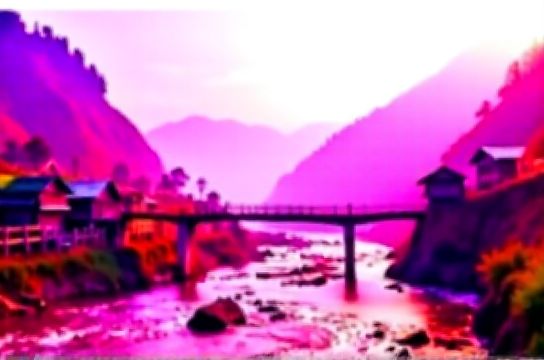
Forget crowded temples and tourist-packed night markets. We’re talking about remote villages tucked into the folds of northern Laos, northern Vietnam, and Yunnan, China—places like Muong Khoua, Sapa, and Yuanyang. These are communities where Hmong, Dao, Tay, and Yi people weave stories into their textiles, sing ancient lullabies, and farm terraced fields that cling to cliffs like stairways to the sky.
Why Trek These Forgotten Valleys?
It’s not just about the views (though, wow, the views). It’s about connection. Locals greet you with shy smiles, not price tags. Kids wave from rice paddies. Grandmothers stir steaming pots over open fires. And yes—you’ll eat like royalty: wild herbs, smoked pork, sticky rice in bamboo tubes. One traveler said, “I didn’t find culture—I was invited into it.”
Top Trekking Routes & Cultural Highlights
Here’s a quick snapshot of three legendary routes:
| Region | Duration | Ethnic Groups | Unique Feature | Best Time to Visit |
|---|---|---|---|---|
| Sapa, Vietnam | 2–4 days | Hmong, Red Dao, Tay | Terraced rice fields & Sunday market | March–May, September–November |
| Muong Khoua, Laos | 3–5 days | Khmu, Hmong, Akha | Nam Ha River & jungle waterfalls | November–February |
| Yuanyang, China | 4–6 days | Hani, Yi | UNESCO-listed rice terraces | December–April (water-filling season) |
What Makes These Treks Special?
First, sustainability. Many villages now run community-based tourism (CBT) programs. That means your homestay fee goes directly to families, not middlemen. In Sapa, over 60% of trekking income stays in local pockets (source: Vietnam National Administration of Tourism).
Second, authenticity. Unlike staged cultural shows, here you join daily life: planting rice, dyeing cloth with indigo, or helping build a stilt house. One study found that 89% of trekkers felt they gained genuine cultural insight—versus 42% at commercialized sites.
Challenges? Sure. But Worth It.
Let’s be real: trails can be muddy, leeches exist, and toilets are… rustic. But that’s part of the charm. Pack light, bring rain gear, and wear broken-in boots. And always hire a local guide—both for safety and to support the economy.
Pro tip: Learn a few phrases in the local language. Even a simple “Xin chao” or “Sabaidee” opens doors (and hearts).
The Bigger Picture
These treks aren’t just adventures—they’re acts of preservation. As youth migrate to cities, tourism helps keep traditions alive. In Yuanyang, younger generations are returning to farm because eco-tourism creates jobs. That’s impact you can feel good about.
So if you’re craving more than likes and latte art—if you want stories that stick to your ribs and change how you see the world—strap on your pack. The mountains are calling, and they’re whispering ancient songs.