
Tracing Ancient Trade Routes: A Hiker’s Path Across Yunnan’s Borderlands
- Date:
- Views:277
- Source:The Silk Road Echo
Ever dreamed of walking where ancient merchants once trekked, carrying silk, tea, and secrets through misty mountain passes? Welcome to Yunnan’s borderlands — a hiker’s paradise steeped in history, culture, and jaw-dropping scenery. This isn’t just a trek; it’s a time machine on foot.
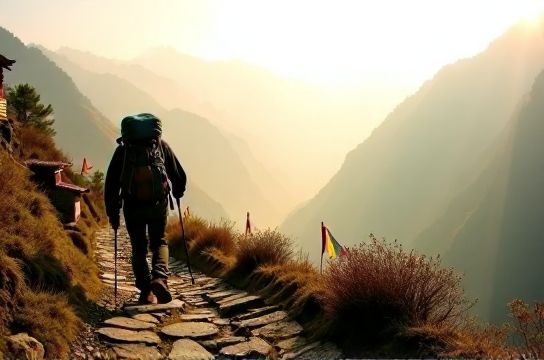
Nestled in China’s southwest, Yunnan was the beating heart of the Tea Horse Road, a vast network of trade paths linking Tibet, Sichuan, and Southeast Asia. For over a thousand years, mule caravans braved rugged trails, high altitudes, and bandit threats to move goods — and ideas. Today, you can hike these same routes and feel the echoes of hoofbeats beneath your boots.
Why Hike the Tea Horse Road?
Forget crowded tourist traps. Here, you’ll wander through remote Naxi and Dai villages, sip butter tea with locals, and sleep under stars unpolluted by city lights. The terrain? Think emerald rice terraces, pine-clad ridges, and stone bridges worn smooth by centuries of travelers.
And let’s talk numbers — because who doesn’t love stats?
| Trail Segment | Distance (km) | Elevation Gain (m) | Avg. Duration | Cultural Highlights |
|---|---|---|---|---|
| Lijiang to Shangri-La | 180 | 2,400 | 7–9 days | Tibetan monasteries, Naxi villages |
| Shangri-La to Deqin | 150 | 3,100 | 6–8 days | Kawagebo Peak, pilgrimage sites |
| Pu’er to Jinghong | 200 | 800 | 5–7 days | Dai water festivals, tropical forests |
These trails aren’t just scenic — they’re living history. In Pu’er, the tea that gave the route its name still grows on misty hillsides. Locals will tell you stories of how tea bricks were used as currency in Tibet. Yes, really.
Best Time to Trek
Timing is everything. Aim for March–May or September–November. During these windows, Yunnan flaunts spring blossoms or golden autumn light, with stable weather and clear skies. June to August brings monsoon rains — beautiful, but slippery trails and leeches? Not ideal.
What to Pack (and What to Leave Behind)
- Must-haves: Waterproof hiking boots, layered clothing, water purifier, basic Mandarin or local dialect phrases
- Nice-to-have: Portable solar charger, lightweight hammock
- Leave at home: Heavy luggage, expectations of luxury lodges (charm > comfort here)
Accommodation? Think family-run guesthouses (zhusu) serving steaming hotpot dinners. Some nights, you’ll even stay in restored caravan inns — yes, where traders once rested their weary bones.
Cultural Etiquette Tips
Respect goes a long way. In Tibetan areas, walk clockwise around stupas. Ask before photographing people. And if offered chang (barley wine), try a sip — even if it tastes like fermented socks.
This journey isn’t about conquering peaks. It’s about connection — to land, history, and the quiet rhythm of life far from the digital buzz.
So lace up. The old road is calling.