
Walking with Nomads: Experiencing Tibetan Life in Qinghai’s Remote Villages
- Date:
- Views:277
- Source:The Silk Road Echo
Ever dreamed of trading city chaos for wide-open grasslands, yaks wandering like clouds, and nights under stars so bright they feel fake? Welcome to Qinghai’s remote Tibetan villages—where nomadic life isn’t a performance, it’s real, raw, and deeply moving.
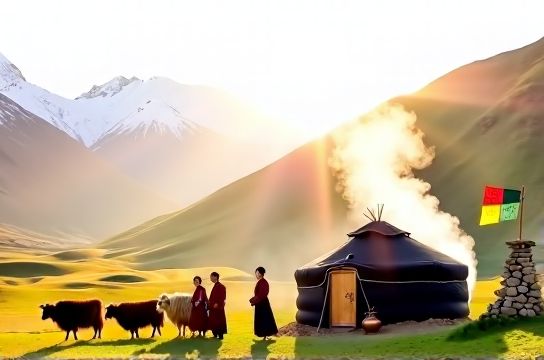
Nestled on the eastern edge of the Tibetan Plateau, Qinghai is home to thousands of semi-nomadic herders who’ve lived off yak and sheep herding for centuries. But this isn’t just about scenery—it’s about connection. I spent two weeks walking with a local family near Delingha, and let me tell you: it changed how I see travel.
Why Go Off-Grid in Qinghai?
Tourism in Tibet often means guided tours and photo ops. But in Qinghai’s lesser-known regions—like Haibei, Henan, or Guinan—you get authenticity. No souvenir stalls. No crowds. Just tea with butter, shared silence, and stories passed down through song.
According to China’s 2020 census, over 50% of Qinghai’s population is ethnically Tibetan, Mongol, or Hui—making cultural immersion not just possible, but inevitable.
What Does a Nomad Homestay Actually Look Like?
You sleep in a ginga—a portable yak-wool tent that stays warm even at -10°C. Breakfast? Yak butter tea (surprisingly savory) and tsampa (roasted barley flour). Days are spent herding, helping milk goats, or just sitting quietly as elders chant prayers into the wind.
I joined a small eco-tourism initiative run by locals in Madoi County. Here’s what my week looked like:
| Activity | Time | Cultural Insight |
|---|---|---|
| Morning herd check | 6:30 AM | Learn animal tracking & traditional counting songs |
| Butter tea prep | 8:00 AM | Symbol of hospitality—never refuse a cup! |
| Yak wool spinning | 10:00 AM | Women pass skills across generations |
| Lunch: Tsampa + dried cheese | 12:30 PM | No forks—eat with your fingers, like tradition |
| Visit sacred mountain | 3:00 PM | Leave prayer flags; learn local myths |
| Evening storytelling | 7:00 PM | Epic tales of snow leopards and lost monks |
Travel Tips That Actually Matter
- Pack smart: Bring warm layers—nights drop below freezing, even in summer.
- Respect rituals: Don’t point at stupas or step over prayer scarves.
- Go slow: Altitude here hits around 3,500–4,500 meters. Give yourself 2 days to acclimatize.
- Support ethical tourism: Book homestays via community-run cooperatives, not big agencies.
The truth? This kind of travel isn’t for everyone. You won’t have Wi-Fi or hot showers. But if you’re craving something deeper—if you want to walk beside someone whose life moves with the seasons—then Qinghai will stay with you forever.
As one elder told me, “The land speaks slowly. You must listen with your feet.” And honestly? I’m still listening.