
The Ancient Tea Horse Road: Hiking Through China’s Forgotten Trade Trails
- Date:
- Views:247
- Source:The Silk Road Echo
Ever dreamed of stepping into a world where misty mountain trails whisper stories of ancient traders, mule caravans, and fragrant tea bricks bound for Tibet? Welcome to the Ancient Tea Horse Road—China’s Silk Road of the south, where culture, commerce, and breathtaking landscapes collide.
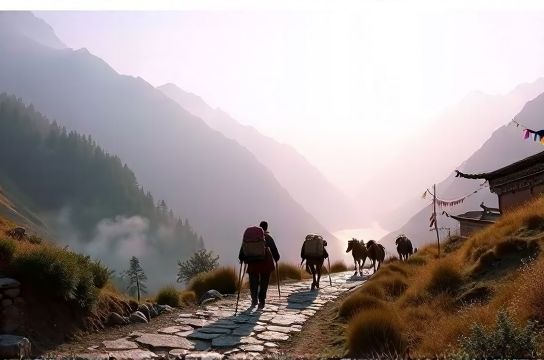
Stretching over 4,000 kilometers from Sichuan and Yunnan all the way to Tibet, this historic network of paths was once the lifeline between Han Chinese tea growers and Tibetan horse breeders. Think of it as an old-school barter system: tea for horses, trust for survival.
But today? It’s a hiker’s paradise. Forget crowded tourist traps—this trail offers raw beauty, remote villages, and a deep dive into ethnic cultures like the Naxi, Yi, and Tibetan peoples.
Why Hike the Tea Horse Road?
- Cultural immersion: Stay in traditional guesthouses, sip butter tea with locals, and hear legends passed down for centuries.
- Stunning scenery: Traverse cloud-kissed peaks, bamboo forests, and roaring rivers.
- Off-the-beaten-path adventure: Fewer crowds, more authenticity.
Key Sections & Difficulty Levels
Not all parts are created equal. Here’s a quick breakdown:
| Trail Section | Distance (km) | Duration | Difficulty | Highlights |
|---|---|---|---|---|
| Lijiang to Shangri-La | 120 | 5–7 days | Moderate | Naxi villages, Jade Dragon Snow Mountain |
| Shangri-La to Deqin | 180 | 8–10 days | Challenging | Meili Snow Mountains, Tibetan monasteries |
| Pu’er to Lijiang | 300 | 12–15 days | Hard | Tea plantations, Dai minority culture |
Tips for Travelers
- Best time to go: April–June or September–October. Avoid monsoon season (July–August).
- Altitude alert: Much of the route exceeds 3,000 meters. Acclimatize in Lijiang or Shangri-La first.
- Local guides: Highly recommended. They know hidden paths, speak local dialects, and can arrange homestays.
- Pack light but smart: Waterproof gear, warm layers, and a good sleeping bag are musts.
The Tea Horse Road isn’t just a trek—it’s a journey through time. Every step echoes with history, every village tells a story. Whether you hike one section or dream of the full route, you’re not just walking a trail—you’re reliving a legacy.
So lace up your boots, grab your backpack, and let the mountains call you home.