
Uncovering Qinghai’s Nomadic Heritage: Trails Through Pastoral Grasslands
- Date:
- Views:253
- Source:The Silk Road Echo
Ever dreamed of trading city chaos for endless emerald grasslands, yaks ambling under vast skies, and nights spent in a yak-wool tent sipping butter tea with herders? Welcome to Qinghai, China’s high-altitude haven where nomadic culture isn’t just history—it’s alive, breathing, and waiting for you to saddle up.
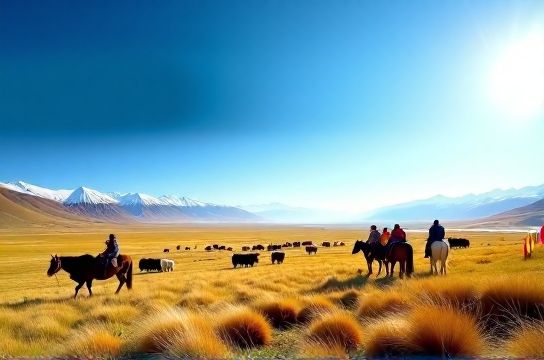
Sitting on the Tibetan Plateau at an average elevation of 3,000–4,000 meters, Qinghai is home to ethnic Tibetan and Mongolian herding communities who’ve lived in harmony with nature for centuries. Their seasonal migrations, spiritual traditions, and sustainable lifestyle offer travelers a rare glimpse into a vanishing way of life.
Why Explore Qinghai’s Nomadic Trails?
Forget cookie-cutter tourism. Here, you don’t just visit—you participate. Ride horses across rolling meadows, help herd yaks, learn to churn butter, or chant mantras with monks at remote monasteries. It’s immersive travel at its finest.
And the scenery? Jaw-dropping. From the shimmering waters of Qinghai Lake—the largest in China—to the wild beauty of the Amnye Machin range, this region is raw, unfiltered nature.
Top Nomadic Experiences & Routes
- Qinghai Lake Grasslands: Circle the lake by bike or horseback, staying with herder families in Gangca County.
- Sanjiangyuan National Park: Known as the “Source of Three Rivers,” it’s a biodiversity hotspot and cultural heartland.
- Golog Prefecture: Remote and rugged, ideal for off-grid treks and authentic homestays.
Traveler Insights: What to Expect
Altitude? Yes—come prepared. Weather? Unpredictable. Rewards? Infinite. Below is a quick guide to help you plan:
| Region | Best Time to Visit | Elevation (m) | Key Activities |
|---|---|---|---|
| Qinghai Lake | June–August | 3,200 | Horse riding, cycling, homestays |
| Sanjiangyuan | July–September | 3,500–4,500 | Wildlife spotting, cultural tours |
| Golog | July–August | 4,000+ | Trekking, monastery visits |
Pro tip: Always travel with a local guide. Not only does it support the community, but you’ll gain deeper access to traditions and language.
Cultural Etiquette Tips
- Never point at sacred mountains or step over prayer flags.
- Ask before photographing people or homes.
- Accept offerings like butter tea—it’s polite!
Qinghai’s nomadic heritage isn’t a museum exhibit. It’s a living tapestry woven with resilience, faith, and deep ecological wisdom. Step off the beaten path, and let the grasslands change the way you see the world.