
Walking with Tradition: Hiking to China’s Isolated Ethnic Villages
- Date:
- Views:254
- Source:The Silk Road Echo
Ever traded city noise for the whisper of bamboo in the wind? How about swapping your daily commute for a mountain trail lined with singing birds and centuries-old traditions? Welcome to hiking in China’s remote ethnic villages — where every step is a story, and every village feels like a secret whispered through time.
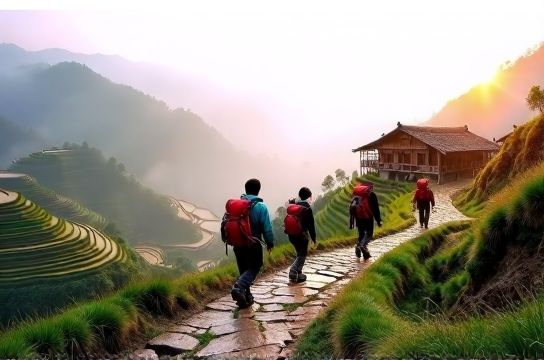
Forget crowded tourist traps. We’re talking about places like Banna Dai Village in Yunnan, tucked between emerald rice terraces, or the stone-built Tusi settlements in Guizhou, where Miao and Dong cultures thrive far from the digital buzz.
Why hike here? Because these trails don’t just test your stamina — they feed your soul. Locals greet you with fermented fish soup and midnight drum dances. And yes, Wi-Fi? Practically nonexistent. But that’s the point.
Let’s break down some top routes and what makes them unforgettable:
Top 3 Hiking Trails to Ethnic Villages
| Trail | Region | hEthnic Group | Difficulty | Avg. Duration |
|---|---|---|---|---|
| Yuanyang Rice Terraces Trek | Yunnan | Hani | Moderate | 2–3 days |
| Guizhou Dong Village Loop | Guizhou | Dong | Easy | 1–2 days |
| Lijiang to Baisha Trail | Yunnan | Naxi | Challenging | 4 days |
The Hani people of Yuanyang have shaped their mountains into living art — over 1300 years of terrace farming. During sunrise, when mist curls around the flooded fields, it’s pure magic. Bring your camera; this view trends on travel blogs for a reason.
And the Dong villages? Famous for their wind-and-water-inspired wooden bridges and haunting polyphonic singing (yes, UNESCO-listed). One visitor said: “I cried during the chorus. No joke.”
Tips for Respectful Exploration
- Ask before photographing people — many elders consider it intrusive.
- Learn 2-3 local phrases — even a simple “Hello” in the native tongue opens hearts.
- Pack out all trash — these villages have no waste infrastructure.
Travelers report that homestays cost as little as $15/night — including meals made from garden-fresh ingredients. Compare that to city hotels, and it’s a no-brainer.
So lace up those boots. These hikes aren’t just about views — they’re about connection. In a world moving fast, sometimes the best way forward is to walk slowly, quietly, and with deep respect.