
Footpaths and Folklore: Trekking China’s Most Remote Regions
- Date:
- Views:267
- Source:The Silk Road Echo
Imagine trading city chaos for misty mountain trails, ancient stone villages, and stories whispered by wind through bamboo forests. Welcome to the wild heart of China — where footpaths weave through forgotten valleys and folklore runs as deep as river gorges.
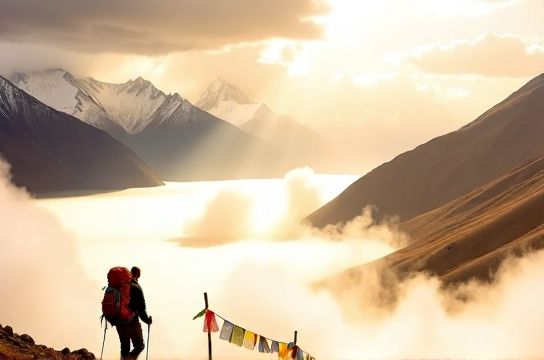
If you're craving adventure beyond the Great Wall and bustling Beijing, it's time to lace up your boots and dive into China’s most remote trekking regions. We’re talking about places like Kawa Karpo in Yunnan, Zhaosu Grasslands in Xinjiang, and the Tibetan Highlands near Ngari. These aren’t your weekend hikes — they’re spiritual journeys etched in legend.
Locals believe Kawa Karpo, a sacred 6,740-meter peak, is home to a protective deity. Climbers who’ve tried to summit have mysteriously vanished — no successful ascent has ever been recorded. Respect the mountain, follow the kora (pilgrimage circuit), and you might just feel its energy humming beneath your feet.
But let’s get practical. How tough are these treks? Who should attempt them? Here’s a quick snapshot:
| Region | Difficulty (1-5) | Avg. Elevation (m) | Best Season | Cultural Highlight |
|---|---|---|---|---|
| Kawa Karpo, Yunnan | 4.5 | 3,800 | May–June, Sept–Oct | Tibetan Buddhist pilgrimage |
| Zhaosu Grasslands, Xinjiang | 2.8 | 2,200 | July–August | Kazakh nomadic culture |
| Ngari, Tibet | 4.7 | 4,500 | June–Sept | Lhasa-to-Kailash route |
These trails aren’t just about physical endurance — they’re cultural immersion at its rawest. In Zhaosu, you can stay with Kazakh herders, sip fermented mare’s milk, and ride horses across endless steppes. In Ngari, you’ll walk alongside pilgrims prostrating toward Mount Kailash, a peak so holy it’s never been climbed — and likely never will be.
But here’s the real tea: these regions are fragile. With rising tourism, trash and trail erosion are growing concerns. The golden rule? Take only photos, leave only footprints. Better yet, join eco-treks run by local guides — your money supports communities, not corporations.
Pro tip: acclimatize for at least 3 days before high-altitude treks. And pack smart — layers beat luxury every time. A solar charger, water purifier, and a decent down jacket? Non-negotiables.
In a world that feels increasingly mapped and monetized, China’s remote trails offer something rare: mystery, majesty, and a chance to walk where legends live. So go ahead — trade Wi-Fi for wind songs, and let the mountains tell you their stories.