
Chinese Artists Preserving Tradition in Modern Times
- Date:
- Views:229
- Source:The Silk Road Echo
In today’s fast-paced digital world, where AI-generated art and global trends dominate social media feeds, a growing number of Chinese artists are making bold moves to preserve centuries-old traditions. As someone who’s spent years diving into East Asian art scenes—from calligraphy studios in Beijing to porcelain workshops in Jingdezhen—I’ve seen firsthand how tradition isn’t being shelved; it’s being reimagined.
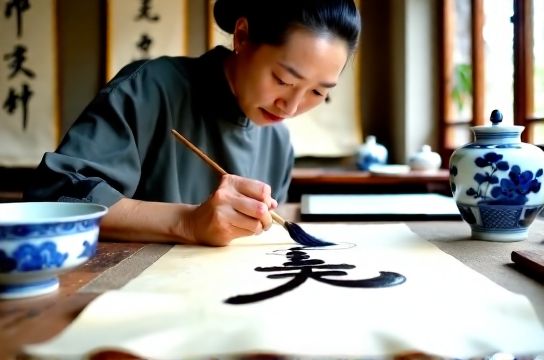
These artists aren’t just painting for museums—they’re creating cultural bridges. Take Wang Lin, a Shanghai-based ink painter who blends Song Dynasty brushwork with urban street motifs. Or Li Na, a ceramicist using ancient blue-and-white porcelain techniques to craft modern tableware now sold in boutiques from Tokyo to Paris.
But why does this matter? Because according to UNESCO, over 60% of intangible cultural heritage in China is at risk due to urbanization and shifting youth interests. Yet, data shows a surprising rebound—especially among Gen Z.
The Comeback: Traditional Art Meets Modern Demand
A 2023 survey by the China Arts Foundation found that 78% of urban millennials actively seek out traditional-inspired designs when purchasing home decor or fashion. This isn’t nostalgia—it’s identity.
| Art Form | Practitioners (2020) | Practitioners (2024) | Growth Rate |
|---|---|---|---|
| Ink Painting | 12,400 | 15,900 | +28% |
| Ceramics (Traditional) | 8,700 | 11,200 | +29% |
| Paper Cutting | 3,100 | 4,500 | +45% |
| Embroidery (Su & Xiang) | 5,600 | 6,300 | +12% |
Notice how paper cutting—a craft once deemed ‘grandma’s hobby’—has surged by 45%? That’s largely due to TikTok and Xiaohongshu influencers showcasing intricate designs during Lunar New Year campaigns.
How Artists Are Winning the Culture Game
It’s not just about skill—it’s strategy. Successful traditional Chinese artists today share three traits:
- Digital fluency: Over 65% use Instagram or Douyin to document their process.
- Collaboration: Many team up with fashion brands (like Shang Xia or Icicle) to reach wider audiences.
- Educational outreach: Weekly livestreams teaching brush control or glaze mixing have turned fans into students.
One standout example is the Dunhuang Academy’s partnership with Tencent. They launched a VR experience letting users ‘step into’ cave murals—resulting in a 200% increase in online engagement and inspiring a new wave of mural-style digital art.
If you're an artist or collector, here’s my take: Don’t wait for tradition to go viral. Support authentic creators now. Follow studios that credit their masters, disclose materials, and teach openly. The future of Chinese traditional art isn’t in preservation—it’s in participation.