
How Chinese History Shapes Today's National Heroes
- Date:
- Views:274
- Source:The Silk Road Echo
If you’ve ever wondered why certain figures in China are celebrated like modern-day legends, it’s not just about what they did — it’s about how deeply history is woven into national identity. As someone who’s spent years diving into cultural narratives and public sentiment across East Asia, I can tell you: China’s national heroes aren’t just born from bravery — they’re shaped by centuries of storytelling, ideology, and social values.
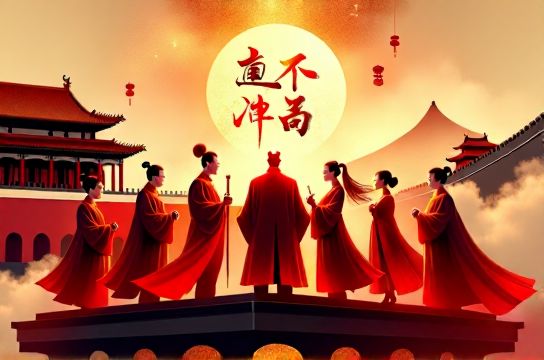
From Ancient Generals to Modern Martyrs
China’s idea of a ‘hero’ has evolved, but the core traits remain: loyalty, sacrifice, and service to the people. Think of Yue Fei, the Song Dynasty general known for his unwavering patriotism. Even today, his story is taught in schools and echoed in pop culture. Fast forward to the 20th century, and you get Lei Feng — not a warrior, but a soldier whose diary of selfless acts made him a symbol of socialist virtue.
What’s fascinating is how these figures, separated by a thousand years, share the same spotlight. Why? Because the national hero narrative isn’t just about individuals — it’s about reinforcing values that support unity and resilience.
The Role of Education and Media
School textbooks, state media, and even blockbuster films play a huge role in shaping who we remember — and how. A 2022 survey by Peking University found that over 78% of high school students could name at least three revolutionary heroes, compared to just 34% who could recall major scientific innovators.
| Hero Type | Average Recognition (Age 15–25) | Main Exposure Source |
|---|---|---|
| Revolutionary Soldiers | 82% | School Curriculum |
| Ancient Figures (e.g., Yue Fei) | 76% | Textbooks & TV Dramas |
| Modern Scientists | 41% | News & Social Media |
| Contemporary National Heroes | 68% | State Media Campaigns |
This data shows a clear pattern: institutional backing drives visibility. While scientists like Tu Youyou (Nobel laureate for malaria treatment) are globally respected, their domestic fame often lags without sustained narrative promotion.
Heroes in the Time of Crisis
Recent events have created new icons. During the pandemic, figures like Zhong Nanshan weren’t just praised — they were elevated. Posters, memes, and news segments turned him into a symbol of calm leadership. According to a 2020 CGTN report, searches for “Zhong Nanshan” peaked at over 1.2 million per day during the Wuhan lockdown.
This reflects a shift: today’s heroes are still rooted in tradition, but now gain recognition through real-time public trust. It’s no longer just about dying for the country — it’s about protecting it every day.
Why This Matters Now
In an era of rapid change, national heroes serve as cultural anchors. They remind people where they come from and what values matter. Whether it’s an ancient general or a modern doctor, the message is consistent: serve the collective, stay loyal, and lead with integrity.
So next time you hear about a figure being hailed as a hero in China, don’t just see the person — see the history behind them.