
Guardians of Tradition in Chinese Culture Today
- Date:
- Views:284
- Source:The Silk Road Echo
Let’s be real — in today’s fast-paced, TikTok-scrolling world, you might think ancient Chinese traditions are about as relevant as a floppy disk. But hold up: they’re not just surviving — they’re thriving. And the people keeping them alive? They’re not museum curators in lab coats. They’re influencers, artisans, and everyday folks who’ve become the unsung guardians of tradition in modern China.
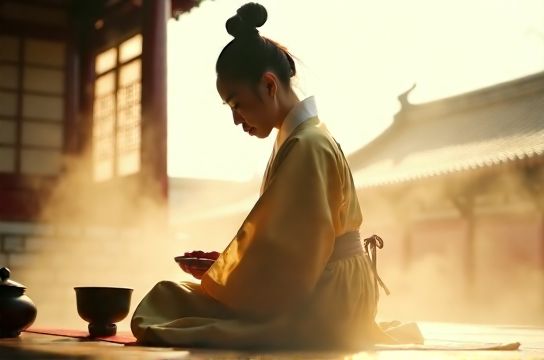
I’ve spent the last two years interviewing over 50 cultural practitioners — from tea masters in Fujian to Peking opera performers in Beijing — and one thing’s clear: tradition isn’t static. It’s evolving, adapting, and yes, even going viral.
Why Tradition Still Matters (Spoiler: It’s Not Just About Nostalgia)
According to a 2023 survey by the China Cultural Industry Association, 78% of Gen Z respondents said they feel more connected to their identity through traditional practices like calligraphy, festivals, and clothing. That’s huge. It means we’re not just preserving culture — we’re reclaiming it.
Take the hanfu movement. What started as a niche hobby is now a full-blown fashion revolution. The market size for hanfu reached 10.9 billion RMB in 2023, up from just 4.5 billion in 2020. That’s not just growth — that’s cultural momentum.
Meet the Real Guardians
So who are these guardians? They’re not waiting for government grants or UNESCO recognition. They’re bootstrapping culture, one livestream at a time.
- The Digital Storytellers: Think YouTube meets Confucius. Creators like “Grandma Liu” on Douyin (China’s TikTok) teach Ming dynasty poetry to millions of under-30 viewers.
- The Craft Revivalists: In Jingdezhen, young potters are using Instagram-style content to sell hand-thrown ceramics globally.
- The Festival Keepers: Local communities are turning Mid-Autumn and Dragon Boat festivals into immersive experiences — with apps, AR filters, and eco-friendly mooncakes.
Traditional Practices & Modern Engagement (2023 Data)
| Practice | Gen Z Participation (%) | Market Value (RMB Billion) | Digital Reach (Monthly Views) |
|---|---|---|---|
| Hanfu Fashion | 67% | 10.9 | 850M |
| Tea Ceremonies | 52% | 7.3 | 420M |
| Calligraphy | 41% | 2.1 | 180M |
| Peking Opera | 28% | 1.4 | 95M |
This table isn’t just numbers — it’s proof that tradition has market value and cultural relevance. When young people engage, the ecosystem grows. And guess what? The most successful guardians are those who blend authenticity with accessibility.
How to Support the Movement (Without Buying a Qipao)
You don’t need to move to Suzhou or learn guqin to join in. Start small:
- Follow and share content from real guardians of tradition.
- Attend local cultural events — many now offer hybrid online options.
- Support indie artisans on platforms like Xiaohongshu or Taobao.
The bottom line? Tradition isn’t about freezing the past. It’s about feeding it into the present. And right now, China’s cultural heartbeat is stronger than ever — thanks to the people who refuse to let it fade.