
Chinese Heroes Who Shaped the Course of History
- Date:
- Views:342
- Source:The Silk Road Echo
When we talk about Chinese heroes, we’re not just diving into ancient legends or martial arts myths — we’re unpacking real figures who left massive footprints on China’s long, rich journey. From fearless warriors to visionary leaders, these individuals didn’t just influence their eras — they helped shape the identity of a nation.
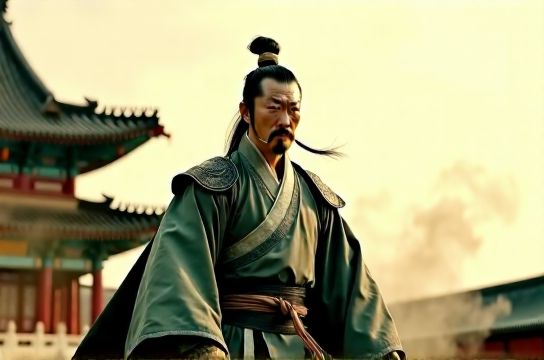
Take Sun Tzu, for example. You’ve probably heard his name dropped in business meetings or leadership seminars. But did you know he lived over 2,500 years ago? His book, The Art of War, isn’t just about combat — it’s a blueprint for strategy, still taught in military academies and MBA programs worldwide. Sun Tzu wasn’t just a general; he was a thinker whose ideas transcended time.
Then there’s Mulan — yes, the Disney version got some things right (okay, maybe a few wrong), but the original ballad dates back to the Northern Wei dynasty. She wasn’t born with a sword in hand; she chose duty over comfort, disguising herself as a man to fight in her father’s place. Her story isn’t just about bravery — it challenges gender norms centuries before feminism became a global movement.
But let’s shift from legend to documented history. No list of Chinese historical figures is complete without Qin Shi Huang. Love him or hate him, this guy unified China in 221 BCE. He standardized writing, currency, and even axle lengths so carts could travel smoothly across roads. Controversial? Absolutely. He burned books and buried scholars alive. But his impact? Undeniable.
To help you compare some of the most influential Chinese heroes, here’s a quick breakdown:
| Name | Era | Key Contribution | Legacy Score (1-10) |
|---|---|---|---|
| Confucius | 551–479 BCE | Philosophy of ethics, family, and governance | 9.8 |
| Qin Shi Huang | 259–210 BCE | First emperor; unified China | 9.5 |
| Sun Tzu | c. 544–496 BCE | Strategic warfare principles | 9.0 |
| Hua Mulan | Estimated 4th–6th century CE | Symbol of courage and gender defiance | 8.7 |
| Zheng He | 1371–1433 | Expanded Chinese maritime reach | 8.5 |
Notice how each figure brought something unique? Confucius shaped moral education, Zheng He opened diplomatic doors through seven epic voyages, and Mulan became a cultural icon. These aren’t just names in a textbook — they’re blueprints for leadership, resilience, and innovation.
And let’s be real — understanding these Chinese heroes isn’t just about passing a history quiz. It’s about seeing how values like discipline, loyalty, and strategic thinking are deeply woven into modern Chinese society. Whether you're studying politics, business, or culture, their influence is everywhere.
So next time you hear about Sun Tzu in a startup pitch or see Mulan referenced in a gender equality debate, remember — these stories aren’t just ancient myths. They’re living legacies.