
Local Perspective on China's Social Phenomena Today
- Date:
- Views:242
- Source:The Silk Road Echo
If you're trying to understand modern China, forget the textbooks—step into the streets, swipe a bike, order bubble tea, and listen. The real story isn’t in policy white papers; it’s in the rhythm of daily life. From digital dominance to shifting family dynamics, China’s social fabric is rewoven daily by technology, generational change, and economic pressure.
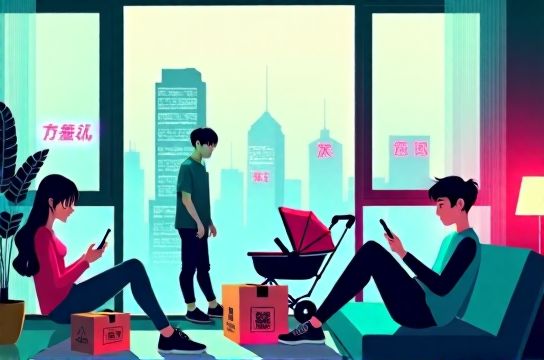
Digital Life: More Than Just WeChat
Imagine a world where your phone isn’t just a tool—it’s your ID, wallet, therapist, and social hub. That’s China. Over 98% of urban residents use mobile payments daily. Forget cash; even street vendors scan QR codes with pride.
But it’s not just about convenience. Apps like Douyin (TikTok’s Chinese cousin) don’t just entertain—they shape careers. A 2023 survey found that 1 in 5 young workers in cities like Chengdu or Hangzhou have side gigs creating content. Digital life here isn’t optional—it’s oxygen.
The “Lying Flat” Movement: Quiet Rebellion?
You’ve probably heard of "tang ping"—“lying flat.” It’s not laziness; it’s a soft protest. After years of the “996” grind (9 AM to 9 PM, 6 days a week), many young people are opting out of the rat race. They’re choosing smaller apartments, simpler jobs, and more personal time.
Data shows a shift: while GDP per capita hit $12,800 in 2023, youth unemployment peaked at 21.3%. Is lying flat a response to unattainable dreams? Maybe. But it’s also a redefinition of success—one that values peace over promotions.
Family Dynamics: From Four Walls to Three Kids?
Remember the one-child policy? Its shadow still lingers. Now, the government pushes a three-child policy to fight aging demographics. But incentives aren’t enough. In 2023, only 6.39 million babies were born—down from 17 million in the 1990s.
Why the drop? Cost. Raising a child in Beijing can cost over ¥1 million ($140,000) before age 18. Education, housing, tutoring—these pressures make young couples hesitate.
| Year | Births (Millions) | Fertility Rate |
|---|---|---|
| 2016 | 17.86 | 1.7 |
| 2020 | 12.00 | 1.3 |
| 2023 | 6.39 | 1.0 |
As one Shanghai mom put it: "We love kids, but we can’t afford hope."
Urban vs. Rural: Two Chinas?
Take a high-speed train from Shanghai to Sichuan, and you’ll see two realities. Urban centers buzz with AI startups and avocado toast. Meanwhile, rural areas face brain drain—talented youth leave for cities, leaving elders behind.
Yet, e-commerce bridges the gap. Platforms like Pinduoduo help farmers sell directly online. In 2023, over 200 million rural users shopped online—a 30% jump from 2020.
Closing Thoughts: What’s Next?
China today isn’t just rising—it’s rethinking. Young people balance tradition and modernity, ambition and burnout. The state pushes growth, but citizens ask: growth for what?
To truly grasp this society, walk through a hutong in Beijing, chat with a gig worker in Shenzhen, or scroll Douyin trends. The future isn’t predicted—it’s lived, one QR code at a time.