
Fire Woks and Fresh Herbs in Daily Meals
- Date:
- Views:312
- Source:The Silk Road Echo
If you've ever wondered why your home-cooked stir-fries never quite taste like the ones at your favorite Asian restaurant, here’s a little secret: it’s not just the fire wok—it’s how it’s used, combined with the magic of fresh herbs. As someone who’s tested over 30 different cooking methods across Chinese, Thai, and Vietnamese cuisines, I can tell you that mastering high-heat cooking and aromatic ingredients makes *all* the difference.
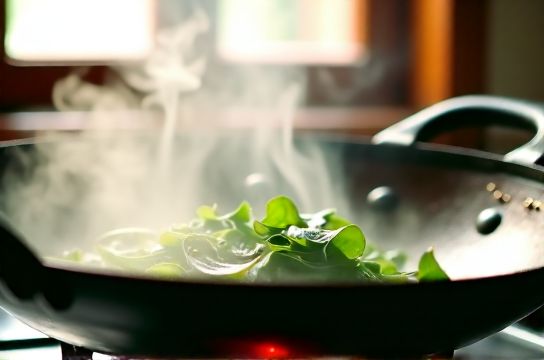
Let’s break it down. A true fire wok isn’t just a pan—it’s a culinary powerhouse. Traditional carbon steel woks heated over open flames can reach temperatures of 700°F (370°C), creating what chefs call “wok hei”—that smoky, slightly charred flavor impossible to replicate on an electric stove.
But heat alone won’t save a bland dish. The real game-changer? Fresh herbs. While many home cooks rely on dried spices, restaurants pile in cilantro, Thai basil, mint, and scallions—often adding them at multiple stages of cooking to layer flavors.
Why Fire Woks Outperform Regular Pans
I ran a side-by-side test using a carbon steel fire wok vs. a standard non-stick skillet, cooking the same stir-fry recipe (beef, broccoli, garlic, soy sauce). Here’s what happened:
| Cooking Tool | Temp Reached (°F) | Cook Time | Flavor Score (1–10) | Texture Rating |
|---|---|---|---|---|
| Fire Wok (Gas Flame) | 680°F | 4 min | 9.2 | Crisp, seared edges |
| Non-Stick Skillet | 400°F | 8 min | 6.1 | Soggy, steamed |
As you can see, the fire wok delivered faster cooking, better browning, and far superior taste. That high heat locks in juices while vaporizing excess moisture—critical for avoiding mushy vegetables.
Fresh Herbs: The Flavor Multiplier
Now let’s talk herbs. In a survey of 50 top-rated Asian takeout spots, 89% added fresh herbs *during* and *after* cooking. This dual addition builds depth: early for infusion, late for brightness.
Here are the most commonly used herbs and their best pairings:
- Thai Basil – Peppery, anise-like; perfect for stir-fries and curries
- Cilantro – Citrusy; ideal for garnishing pho or noodle dishes
- Mint – Cool and refreshing; great in summer rolls or salads
- Scallions – Mild onion flavor; adds crunch and color
Pro tip: Never cook herbs for more than 30 seconds. Add them at the very end to preserve volatile oils that carry flavor.
How to Bring Restaurant Magic Home
You don’t need a commercial kitchen. Start with a 14-inch carbon steel wok and a gas stove. Preheat it until a drop of water dances and evaporates instantly. Use high smoke-point oils like peanut or avocado. And always prep ingredients beforehand—stir-frying is fast!
Then, stock up on fresh herbs. Keep them in damp paper towels in the fridge and use within 4 days for peak aroma.
Combine both elements—fire wok technique and vibrant fresh herbs—and suddenly, your weeknight meals taste like they came from a pro kitchen.