
Local Markets China Where Tradition Meets Daily Life
- Date:
- Views:221
- Source:The Silk Road Echo
If you've ever wondered where to find the real heartbeat of Chinese culture, skip the tourist traps and head straight to the local markets China has to offer. These bustling hubs aren’t just about cheap souvenirs or photo ops—they’re living, breathing reflections of daily life, tradition, and community.
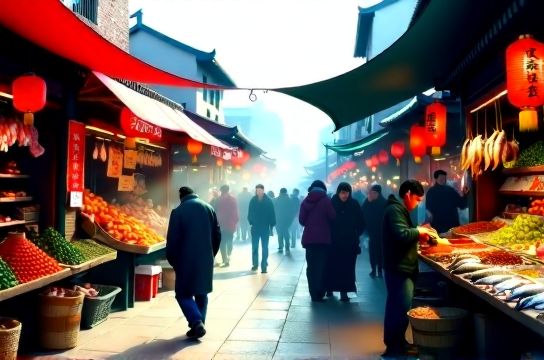
As someone who’s spent years exploring everything from hidden alleyway stalls in Chengdu to morning wet markets in Guangzhou, I can tell you: there’s no better way to experience authentic China than through its local markets. And trust me, once you go beyond the surface, you’ll discover more than just goods—you’ll uncover stories, flavors, and rhythms that define everyday life here.
Why Local Markets Are a Cultural Goldmine
China’s local markets serve millions daily. According to a 2023 report by China’s Ministry of Commerce, over 4,000 officially registered farmers’ and neighborhood markets operate across major cities alone—serving as primary food sources for nearly 60% of urban households. Unlike supermarkets, these markets emphasize freshness, direct farmer-vendor relationships, and regional specialties.
Take the wet market model (named for the water used to clean floors and keep produce fresh). In cities like Shanghai and Shenzhen, they still account for over 70% of fresh meat and vegetable sales. That’s not nostalgia—that’s trust in quality and immediacy.
Top 5 Must-Visit Local Markets in China
To help you dive in, here’s a quick comparison of standout markets worth your time:
| Market | City | Specialty | Best Time to Visit |
|---|---|---|---|
| Dunhuang Night Market | Dunhuang | Street food & handicrafts | 6 PM – 10 PM |
| Foshan Zumiao Market | Foshan | Traditional Cantonese snacks | 8 AM – 5 PM |
| Zhengyang Street Market | Harbin | Winter street eats & fur goods | 10 AM – 9 PM |
| Tianzifang Craft Market | Shanghai | Artisanal goods | 11 AM – 8 PM |
| Changsha Pozi Street | Changsha | Spicy local delicacies | 5 PM – Midnight |
Each of these spots offers something unique—but they all share one thing: they’re where locals shop, eat, and socialize. Want to know what’s in season? Ask a vendor at Foshan Zumiao. Looking for handmade clay teapots? Head to Dunhuang. These places are more than markets—they’re cultural classrooms.
Tips for Navigating Like a Pro
- Go early: The best selection is usually gone by mid-morning, especially for fresh seafood and produce.
- Bring cash: While mobile payments dominate, smaller vendors may not accept digital transactions.
- Smell, touch, taste: It’s encouraged! Don’t be shy—vendors expect interaction.
- Learn a few phrases: “Duōshǎo qián?” (How much?) and “Kěyǐ zhèngdiǎn ma?” (Can you give a discount?) go a long way.
And remember: when you explore local markets China style, it’s not about ticking boxes—it’s about slowing down and soaking it all in. Whether you're bargaining for dried mushrooms or sipping warm soy milk from a street cart, you’re not just shopping—you’re connecting.