
The Role of Tea in Daily Life in China Today
- Date:
- Views:223
- Source:The Silk Road Echo
If you’ve ever stepped into a Chinese home, office, or even a casual street-side chat, you’ve probably been handed a cup of tea. It’s not just a drink — it’s a ritual, a gesture of hospitality, and for millions, the essential start (and middle, and end) to their day. As someone who’s spent years observing tea culture across cities like Hangzhou, Chengdu, and Beijing, I can tell you: tea in China today is both deeply traditional and surprisingly modern.
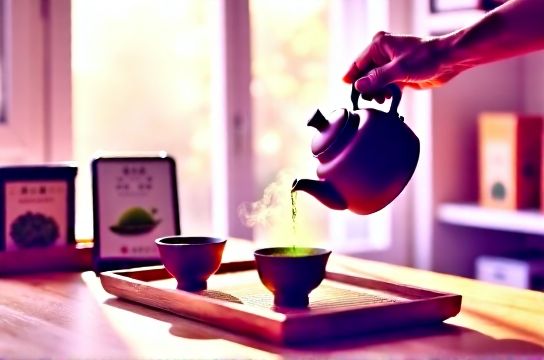
Let’s break it down with real data. According to the China Tea Marketing Association, in 2023, Chinese consumers drank an average of 1.2 kg of tea per person annually. That might not sound like much, but when you scale it to over 1.4 billion people? We’re talking about a 1.7 million metric ton market — and growing at 5.3% year-on-year.
But here’s the twist: it’s not just about drinking more. It’s about how people drink. Younger generations are blending tradition with convenience. Bottled teas, tea lattes, and even tea-flavored desserts are booming. Yet, the core values — harmony, respect, and mindfulness — remain untouched.
Tea by the Numbers: A Snapshot of Modern Consumption
| Tea Type | Market Share (%) | Avg. Price/kg (CNY) | Popularity Among 18–35 YO |
|---|---|---|---|
| Green Tea | 62% | 420 | ⭐️⭐️⭐️⭐️☆ |
| Oolong | 18% | 680 | ⭐️⭐️⭐️⭐️⭐️ |
| Black (Red) Tea | 12% | 550 | ⭐️⭐️⭐️☆☆ |
| Pu-erh & Others | 8% | 920 | ⭐️⭐️⭐️⭐️☆ |
Notice something? Green tea dominates volume, but oolong tea is winning hearts — especially among urban millennials who appreciate its complex aroma and ceremonial brewing process. Cities like Chaozhou have seen a 30% rise in small-batch oolong sales since 2021.
And let’s talk about function. Beyond flavor, tea plays a role in wellness. A 2022 study from Peking University found that regular tea drinkers had a 15% lower risk of cardiovascular issues — no small thing in a fast-paced society where stress runs high.
So what does this mean for you? Whether you're a traveler curious about customs, a health-conscious sipper, or just someone looking to slow down — embracing the role of tea in daily life in China isn’t about perfection. It’s about presence. Heat water, pour, pause, and breathe. That’s the real tradition.